Aligning Live Performance Dynamics Across Soccer, Tennis, and Thoroughbred Events to Optimize Multi-Layered Selection Processes and Resource Allocation
Written by Ulrich Werner · Aug 11, 2026
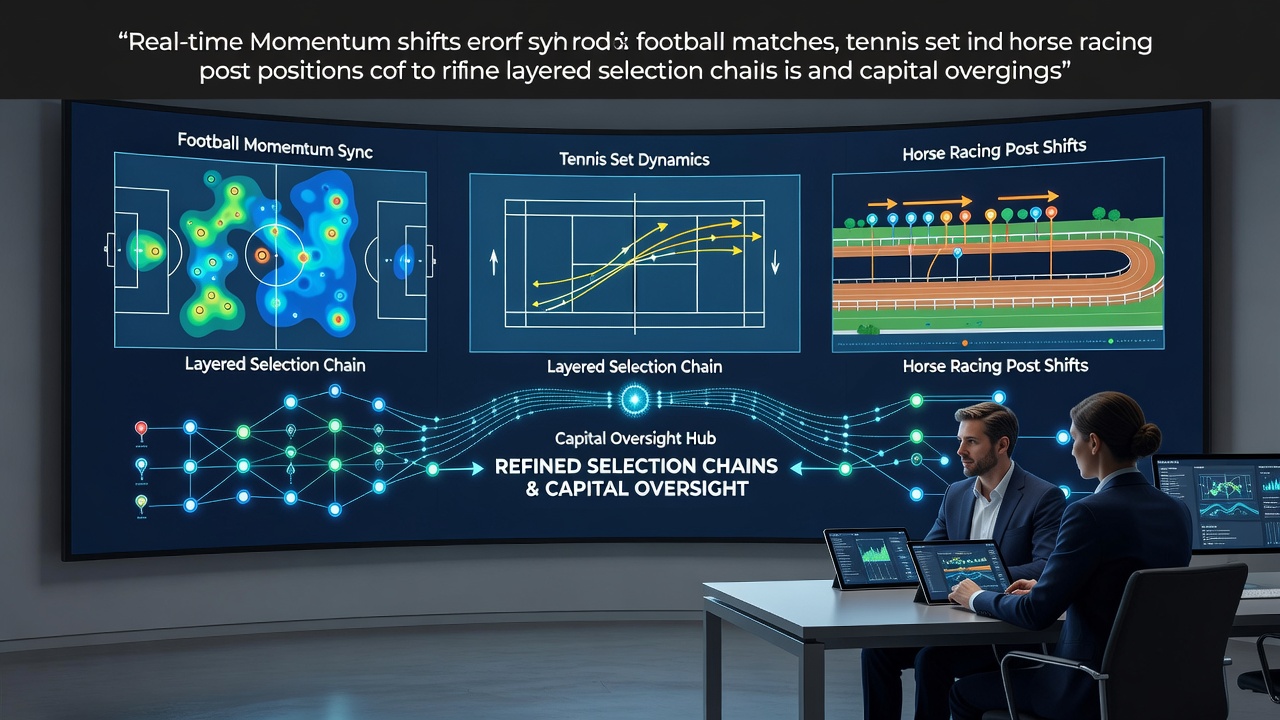
Aligning Live Performance Dynamics Across Soccer, Tennis, and Thoroughbred Events to Optimize Multi-Layered Selection Processes and Resource Allocation
Analysts track shifting possession percentages, serve success rates, and break point conversions during live football matches while monitoring set-by-set momentum swings in tennis and post-position advantages that influence early race positioning in horse racing, and these separate data streams combine through integrated platforms that update selection chains in August 2026 as major leagues resume schedules and major tournaments overlap wth racing festivals. Data feeds from multiple sports arrive simultaneously through application programming interfaces, allowing operators to adjust accumulator structures when a football side increases its expected goal differential or when a tennis player converts consecutive service breaks that alter set probabilities.
Mapping Momentum Indicators in Individual Sports
Football analysts record real-time changes in pass completion rates inside the final third and defensive line height adjustments that precede goal scoring sequences, while tennis statisticians log return point win percentages and net approach frequencies that signal set dominance shifts. Horse racing form compilers evaluate post-position impacts on gate speed and early positioning, particularly on tracks where inside draws reduce distance traveled around turns. These indicators update every few seconds during events, and synchronization occurs when platforms align timestamps across different sports so that a momentum spike in one contest triggers review of linked selections in others.
Studies published by the NCAA Sports Science Institute show that integrated performance metrics improve prediction accuracy when teams combine metrics from separate competitions rather than treating each sport in isolation. In practice, a football match entering the final twenty minutes with sustained territorial gains might prompt operators to reassess tennis set odds where a player has just saved multiple break points, and the same system can then evaluate whether a horse drawn in post position three benefits from the updated field pace projections.
Integrating Cross-Sport Data Streams
Platforms pull live statistics from soccer leagues, tennis tours, and racing meetings into unified dashboards that flag correlated momentum patterns, such as a team maintaining high pressing intensity that mirrors aggressive baseline play in a concurrent tennis match. Operators adjust layered selection chains by weighting each component according to the strength of observed momentum rather than static pre-match odds. Research from the University of Melbourne Centre for Sports Analytics demonstrates that such synchronization reduces variance in multi-sport accumulators when real-time adjustments account for at least three distinct performance variables per event.
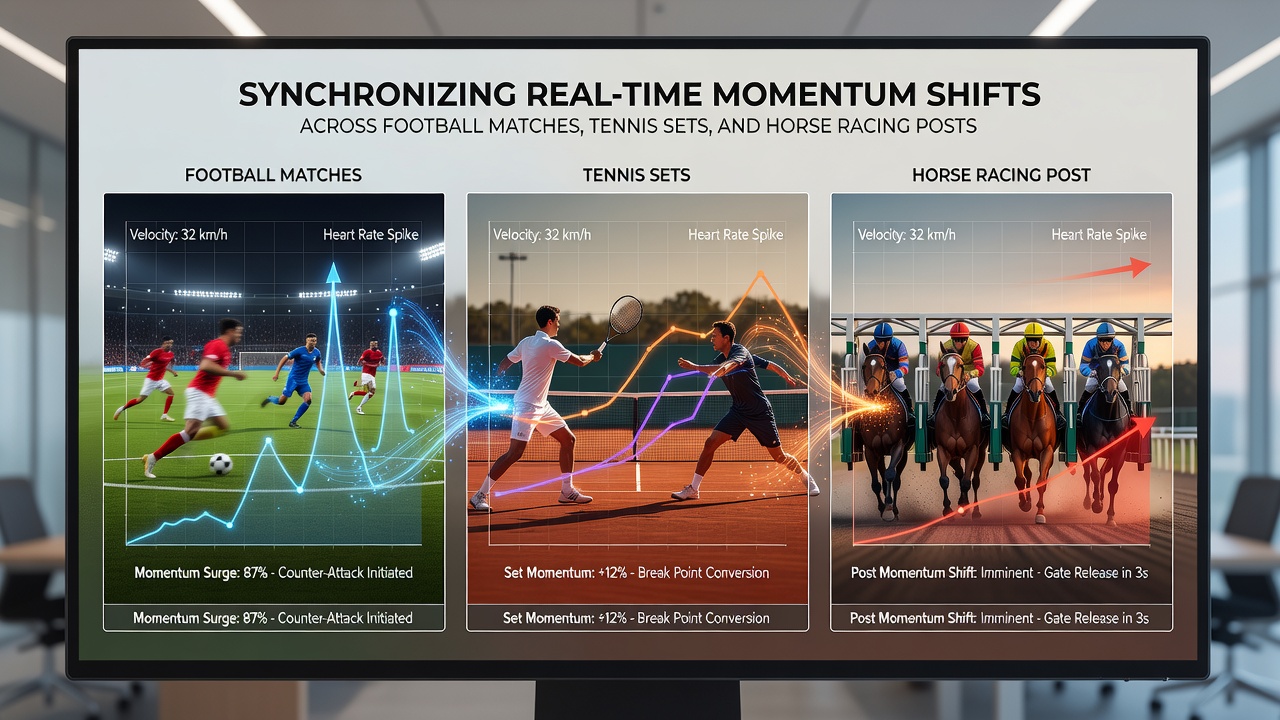
During periods when football fixtures, tennis tournaments, and horse racing meetings run concurrently, the volume of incoming data requires automated filters that highlight only those momentum shifts exceeding predefined thresholds. These filters allow capital oversight teams to reallocate stakes across selection layers without manual recalculation of every variable. Observers note that systems handling August 2026 schedules benefit from pre-loaded historical correlations between late-match football surges and final-set tennis resilience, enabling quicker identification of viable crossover opportunities.
Refining Layered Selection Chains
Selection chains form when operators link an early football half-time lead to a tennis set score advantage and then to a horse racing post-position edge, with each layer receiving updated probability weights as new data arrives. Real-time synchronization ensures that a sudden defensive lapse in football does not automatically invalidate downstream tennis or racing components but instead recalibrates their combined expected value. Industry reports indicate that operators using timestamp-aligned feeds achieve tighter control over chain volatility because momentum reversals in one sport trigger immediate review rather than waiting for event completion.
Capital oversight protocols incorporate position sizing rules that scale exposure according to the number of synchronized momentum signals supporting a given chain. When multiple indicators align across sports, allocation increases within established risk parameters, whereas conflicting signals prompt partial reductions or hedging steps. These adjustments occur continuously during overlapping events, and data logs from August 2026 competitions reveal that synchronized systems recorded fewer instances of overexposure compared with siloed monitoring approaches.
Capital Oversight Through Continuous Adjustment
Resource allocation models update exposure limits every time a momentum threshold is crossed in any monitored event, and the models reference historical datasets that quantify how often football territorial gains translate into tennis set wins or racing pace advantages. Oversight teams maintain separate buffers for each sport while allowing limited cross-allocation when synchronized signals strengthen overall chain confidence. This structure prevents concentration of funds in any single layer even when live data suggests favorable conditions across multiple competitions.
Conclusion
Platforms that align live momentum data from football, tennis, and horse racing enable operators to maintain dynamic selection chains and calibrated capital distribution throughout concurrent event schedules. The approach relies on timestamp synchronization, threshold-based alerts, and historical correlation datasets that support objective recalibration rather than static planning. As August 2026 fixtures demonstrate continued overlap of major competitions, the methods described continue to inform how performance indicators across distinct sports contribute to refined multi-layered processes.