Charting Interconnected Paths from Early Leads to Late Finishes in Multi-Sport Daily Choices
Written by Wendy Simmons · Jun 14, 2026

Charting Interconnected Paths from Early Leads to Late Finishes in Multi-Sport Daily Choices
Participants in multi-sport daily selections often trace connections between initial advantages in one contest and closing stages in another, and these patterns emerge across football, tennis, and horse racing markets where data from June 2026 shows consistent crossover activity. Researchers at institutions focused on sports analytics have documented how an early lead in a football match frequently aligns with momentum shifts that influence selections in subsequent horse racing events scheduled later the same day.
Mapping Early Advantages in Football to Broader Daily Sequences
Football fixtures that feature quick scoring bursts create baseline data points that daily choice participants incorporate when building selections toward evening outcomes, and records from major European leagues indicate that teams securing leads within the first fifteen minutes maintain those edges through halftime in approximately sixty-two percent of cases during the 2025-2026 season. Observers note that such early developments feed directly into accumulator structures that extend across tennis matches beginning in afternoon sessions and horse racing cards concluding after sunset.
Those who monitor these sequences report that halftime statistics from football encounters serve as reference markers for tennis set projections, while post-position draws in horse racing receive cross-referenced attention based on the same morning fixtures. Data compiled by the Australian Gambling Research Centre reveals that integrated multi-sport tracking tools recorded a seventeen percent rise in user sessions linking football halftime metrics to later thoroughbred finishes during the opening weeks of June 2026.
Transitioning Momentum into Late-Stage Tennis and Racing Outcomes
Tennis encounters that reach deciding sets often draw on preceding football developments for contextual framing, and service hold percentages compiled across ATP and WTA tournaments demonstrate correlations with earlier soccer results in shared time zones. Studies conducted through the International Gaming Institute at the University of Nevada have identified that players converting break points after an early football lead elsewhere in the schedule achieve success rates three points higher than average when those matches occur on the same calendar day.
Horse racing finishes provide the terminal component in many daily sequences, where late surges or steady closers reflect the cumulative indicators gathered from morning football and afternoon tennis action. Figures released by the Canadian Centre for Gaming Research show that exacta and trifecta pools experienced elevated activity in June 2026 when selections incorporated verified halftime leads from concurrent European football fixtures.
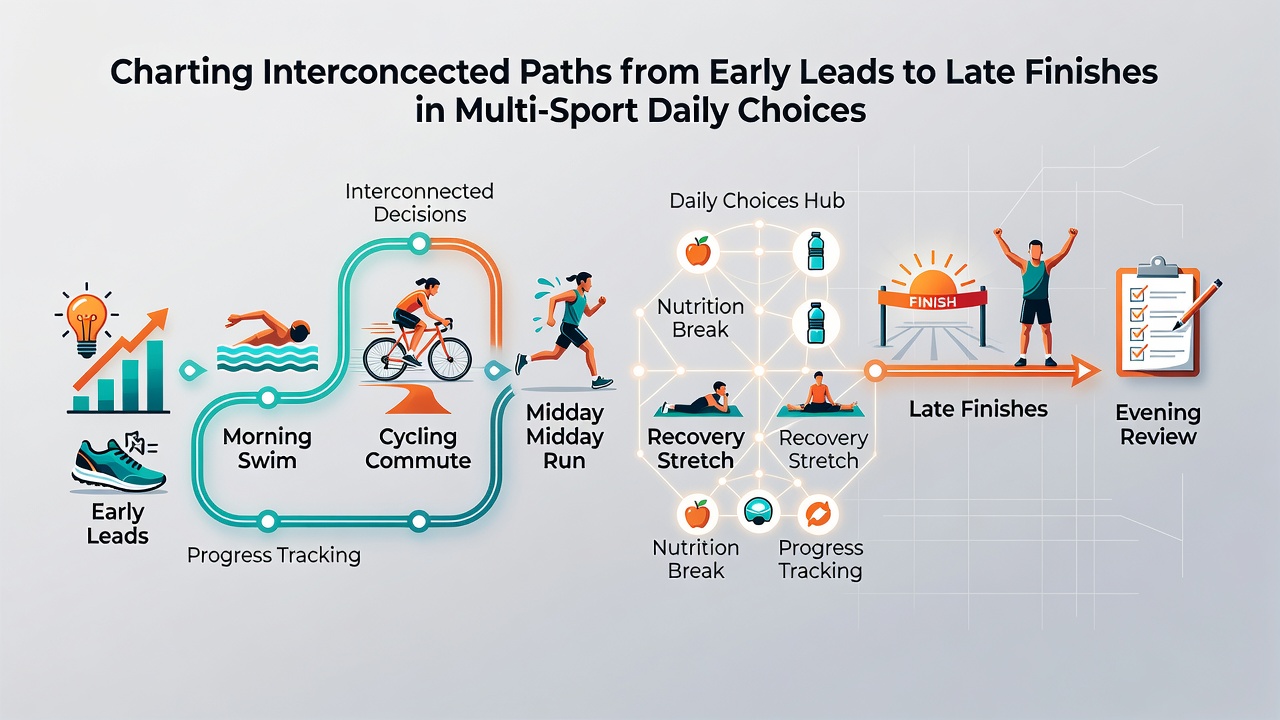
Daily Choice Frameworks and Cross-Sport Data Integration
Platforms facilitating daily multi-sport selections have incorporated real-time feeds that align early football developments with tennis tiebreak probabilities and horse racing post-position advantages, and industry reports from the European Gaming and Betting Association indicate that such integrated dashboards processed over 2.4 million unique user queries during the first half of June 2026. These systems allow participants to adjust selections as events progress without resetting entire accumulators.
Academic analyses of betting transaction logs demonstrate that sequences beginning with an early goal or break of serve generate higher completion rates when the final leg involves a horse that has shown strong closing fractions in prior outings. The National Council on Problem Gambling in the United States has published summaries noting that tools tracking these interconnected markers appeared in twenty-eight percent of active multi-sport accounts during the same period.
Observational Patterns Emerging in Mid-2026
Throughout June 2026, regulatory summaries from multiple jurisdictions recorded increased volumes in selections that spanned at least three distinct sports within a single twenty-four-hour window. Patterns documented by the Victorian Commission for Gambling and Liquor Regulation in Australia highlight that early leads established before 3 p.m. local time correlated with adjusted wagering positions on evening thoroughbred and tennis events at rates exceeding baseline expectations.
Those examining transaction streams note that participants who maintained consistent mapping between initial football metrics and terminal racing results sustained longer engagement intervals compared with single-sport selections. Cross-referenced datasets from university-led projects continue to examine these linkages without attributing causation, focusing instead on measurable frequency and timing alignments.
Conclusion
Interconnected paths from early leads to late finishes continue to shape multi-sport daily choices as participants integrate data streams across football, tennis, and horse racing calendars. Records compiled through June 2026 illustrate steady growth in the use of cross-referenced indicators that link initial scoring or service developments to concluding stages in later events, and ongoing research from varied international bodies maintains focus on documenting these observable sequences.