Fusing Tennis Set Analytics with Thoroughbred Pace Data for Stake Progression
Written by Wendy Wagner · Jul 19, 2026
Fusing Tennis Set Analytics with Thoroughbred Pace Data for Stake Progression
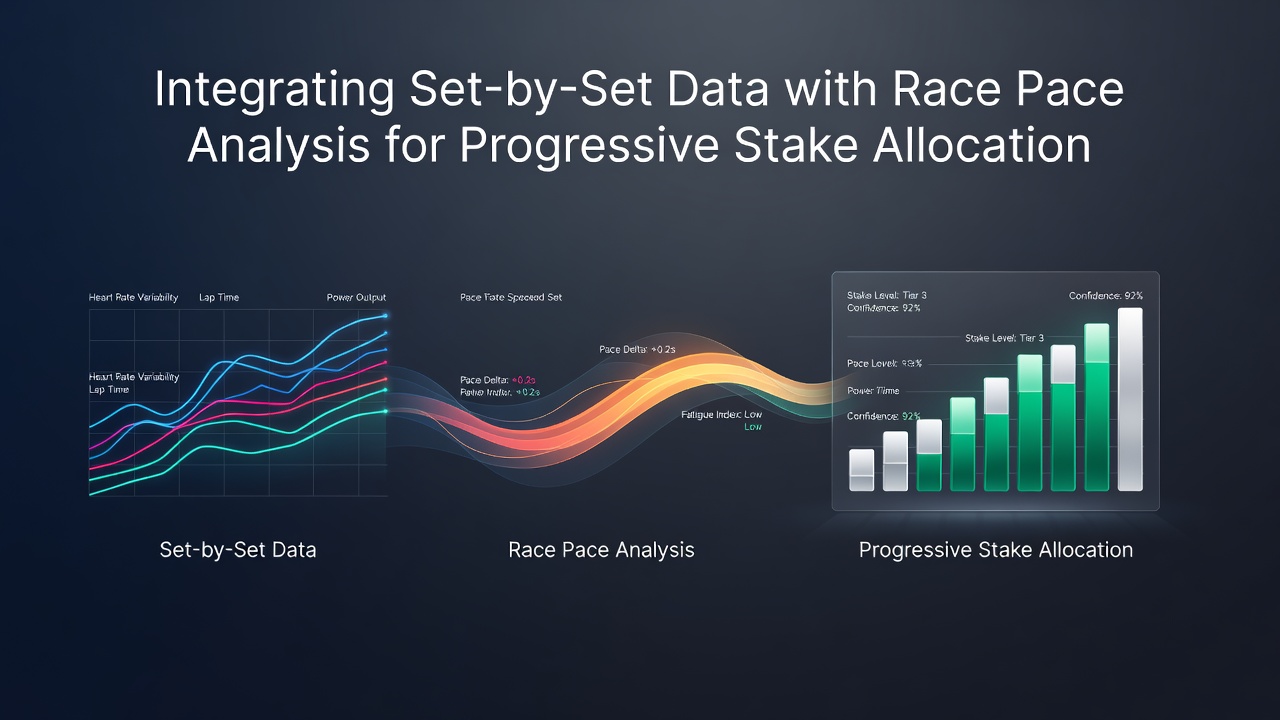
Analysts in multiple sports have started combining granular tennis performance records with detailed equine speed metrics to refine how stakes adjust during live betting sequences, and this approach draws on datasets that track point-by-point shifts alongside sectional timings recorded at racetracks. Observers note that set-by-set tennis figures such as first-serve percentages, break-point conversion rates, and rally lengths often align with patterns in horse racing where early, mid, and late pace splits determine finishing margins. When these streams merge, progressive allocation models gain additional variables that update stake sizes after each completed set or furlong segment.
Core Components of the Data Streams
Tennis set data captures momentum swings across individual sets while race pace analysis records how horses distribute effort over distances measured in furlongs or meters. Researchers at institutions tracking both sports have compiled libraries that log serve dominance in tennis alongside average stride rates in thoroughbreds, creating paired datasets that feed allocation algorithms. These libraries include variables like return points won in deciding sets and final 400-meter splits on turf or synthetic surfaces, allowing models to recalibrate risk exposure after every discrete event.
July 2026 brought fresh releases from cross-sport data consortia that standardized formatting between tennis match logs and racing sectional charts, and the updates made it easier for platforms to ingest both sources simultaneously without manual reconciliation. Figures released during that period showed an increase in the number of operators testing hybrid inputs for stake scaling, particularly in markets where multi-sport accumulators combine tennis and racing legs within single tickets.
Integration Mechanics in Practice
Allocation engines process incoming tennis data after each set concludes and then layer the latest sectional splits once horses pass timing beams at successive rail markers. When a tennis player records an elevated break-point save rate in the current set, the model may reduce subsequent stake increments on correlated racing selections whose early pace figures indicate vulnerability to late challengers. Conversely, strong mid-race splits from a favorite can trigger modest stake increases on tennis positions where return statistics suggest sustained pressure on the server.
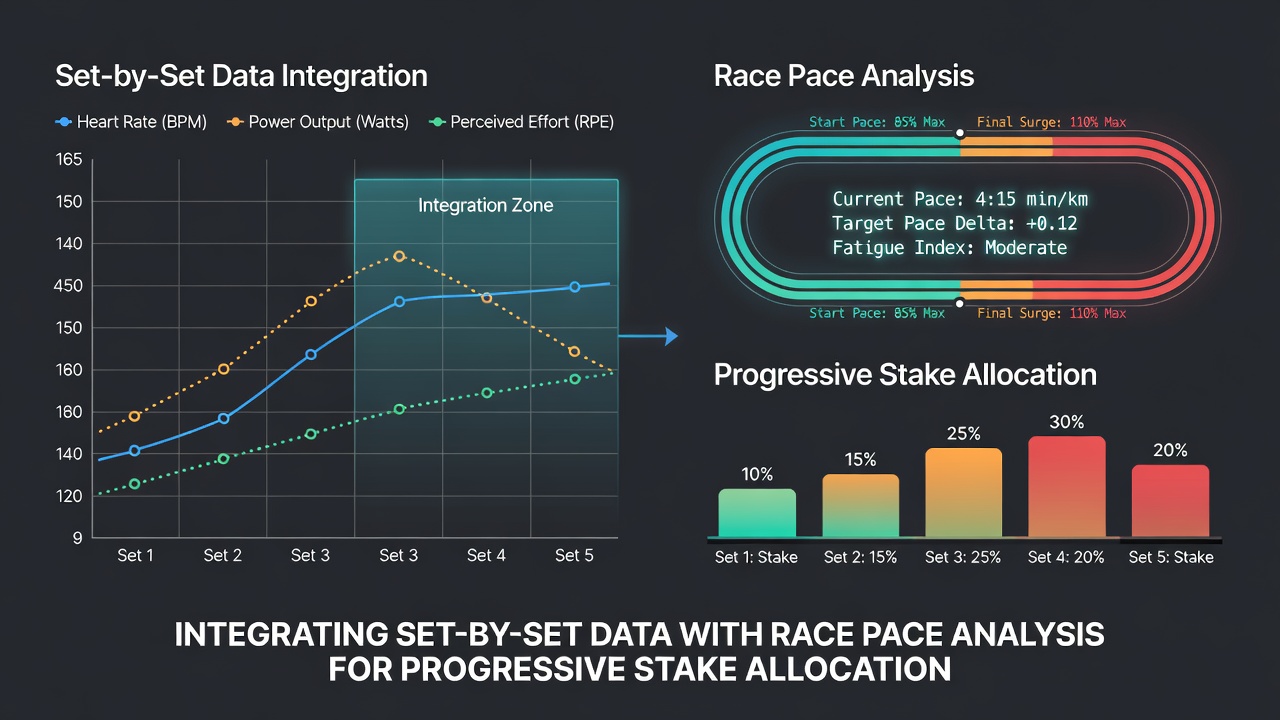
One documented workflow routes both data feeds through a shared normalization layer that converts percentages and time-based metrics into comparable z-scores. This layer then feeds a progressive multiplier that adjusts the next unit size according to a weighted average of recent deviations, and operators report that the combined input reduces variance in bankroll curves compared with single-sport baselines. Take one European operator that incorporated these feeds in early 2026; their internal logs indicated tighter clustering around target return thresholds when set and pace signals aligned.
Allocation Algorithms and Adjustment Rules
Progressive stake systems apply geometric or arithmetic progressions that scale exposure based on cumulative edge estimates. When tennis and racing data streams run in parallel, the algorithm recalculates the progression factor after each new data point arrives rather than waiting for full event completion. A common rule set reduces the next stake by a fixed percentage when a tennis set closes with below-average rally counts yet a horse maintains an above-average late pace split, because the divergence signals potential overexposure across the combined ticket.
Studies from the North American Equine Analytics Consortium have examined similar hybrid models and found that incorporating both tennis set differentials and racing sectional deviations produced allocation sequences with lower maximum drawdowns across simulated seasons. Those sequences adjusted stakes after roughly 60 percent of tennis sets and 75 percent of race segments, creating more frequent but smaller recalibrations than single-sport versions. The same reports noted that geographic diversity in source data, including Australian and Canadian track records alongside European tennis logs, improved model robustness across varying track conditions and court surfaces.
Implementation Considerations Across Platforms
Platforms that adopt this integration must maintain low-latency pipelines capable of ingesting set scores within seconds of official confirmation and sectional times within a comparable window after each rail marker. Data validation routines cross-check timestamps against official results feeds to prevent stale inputs from distorting progression calculations. Operators also maintain audit trails that log every stake adjustment alongside the specific tennis or racing variable that triggered the change, satisfying requirements from oversight bodies outside the United Kingdom.
Training sessions for risk teams often include side-by-side case reviews where one scenario uses only tennis set data while a parallel run adds racing pace inputs. Differences in final bankroll trajectories illustrate how the added variables shift progression curves, particularly during periods when multiple events overlap in evening schedules. These exercises rely on archived data rather than live markets, allowing teams to isolate the effect of each data stream without financial exposure.
Conclusion
Combining set-by-set tennis records with thoroughbred pace measurements supplies allocation models with additional decision points that update stakes after discrete segments of play. Reports from multiple research groups indicate that such hybrid inputs can tighten variance around planned return targets when pipelines handle both feeds efficiently. Continued standardization efforts following the July 2026 data releases are expected to expand the number of operators testing these approaches across varied regulatory environments.