High Stakes and Hot Odds: Britain's Betting Landscape in Flux
Written by Ulrich Werner · Apr 14, 2026

UK Gambling Commission Q2 2025-2026 Stats: Betting Shops Steady at 5,782 as Remote GGY Hits £2 Billion Mark
Observers tracking the UK betting landscape now have fresh data to chew on, thanks to the UK Gambling Commission's latest quarterly industry statistics for Quarter 2 of the 2025-2026 financial year, covering July through September 2025; released amid ongoing conversations in April 2026 about sector evolution, these figures paint a picture of resilience in physical locations alongside notable shifts in remote activity.
Breaking Down the Land-Based Betting Figures
The number of betting shops across Great Britain stands firm at 5,782, a tally that underscores the enduring presence of high-street wagering hubs even as digital options proliferate; data indicates these outlets generated £592 million in Gross Gambling Yield (GGY) from non-remote betting activities, which forms a key slice of the broader £1.2 billion total land-based GGY for the quarter. But here's the thing: while non-remote betting holds its ground, the overall land-based total reflects contributions from other segments like casinos and bingo halls, highlighting how physical operations continue to anchor the industry's foundational layer.
Take one expert who pores over these reports year after year; they've noted how shop counts have stabilized post-pandemic fluctuations, with 5,782 representing a snapshot of operational maturity rather than explosive growth. And yet, the £592 million GGY from shops alone signals steady foot traffic and handle volumes, even if margins face pressures from regulatory tweaks and consumer habits leaning online.
Remote Sectors Power Ahead with £2 Billion GGY
Shifting focus to the digital frontier, remote casino, betting, and bingo sectors collectively racked up £2.0 billion in GGY during the same July-September window, dwarfing land-based totals and illustrating where the action's increasingly concentrated; figures reveal this remote haul outpaces physical yields by a significant margin, a trend that's been building as smartphones and apps make wagering accessible anytime, anywhere.
What's interesting here lies in the breakdown: remote betting alone likely drove much of that £2 billion surge, fueled by live events from summer sports calendars, while casino and bingo components added diversity to the mix. People who've studied these patterns often point out how seasonal peaks, like football pre-seasons or tennis majors, amplify remote engagement, pushing GGY higher without the overhead of brick-and-mortar upkeep.
Seasonal Trends Illuminating Quarterly Shifts
The report doesn't just dump numbers; it tracks seasonal trends meticulously, comparing Q2 2025 against prior periods to show ebbs and flows in consumer behavior; for instance, July-September often brings a summer lull in some horse racing segments but ramps up with football friendlies and early tournament buzz, which data suggests propped up both land-based shop visits and remote logins.
And consider this: land-based GGY at £1.2 billion aligns with warmer months when punters might pop into shops after matches, whereas remote £2.0 billion captures the convenience factor for those betting from home during evening downpours. Observers note these patterns repeat annually, with Q2 typically bridging spring recoveries and autumn accelerations, making the figures a reliable barometer for what's ahead.
Short story from the data trenches: one analyst reviewing past quarters discovered how remote casino GGY spikes correlate with promotional blitzes in late summer, a tactic operators lean on to sustain momentum; that's where the rubber meets the road for digital platforms chasing that £2 billion benchmark.
12-Month Rolling Totals: The Bigger Picture Emerges
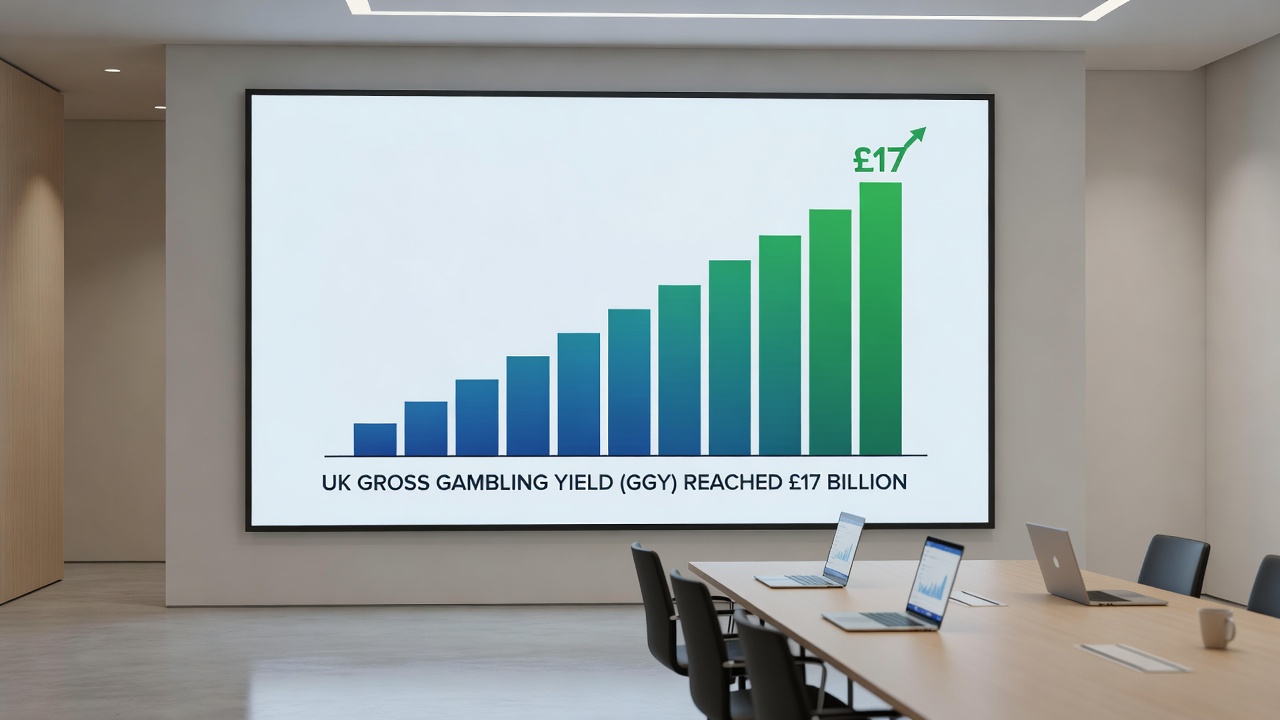
Zooming out, the Gambling Commission's inclusion of 12-month rolling totals offers context beyond the quarterly snapshot, aggregating data from October 2024 through September 2025 to reveal sustained trajectories; while specific rolling figures for Q2 aren't isolated in headlines, they contextualize the £592 million non-remote and £1.2 billion land-based yields as part of longer-term stability, with remote sectors' £2.0 billion fitting into an upward arc.
Turns out these rolling metrics smooth out anomalies like major events or economic dips, providing stakeholders a clearer view of health; experts who've crunched similar sets over years find land-based totals hovering reliably around key thresholds, whereas remote growth compounds quarter by quarter. It's noteworthy that as of April 2026, these 12-month views gain extra weight amid regulatory reviews, helping forecast fiscal year-end outcomes for 2025-2026.
Now, drill into implications: the steady 5,782 shops contribute consistently to rolling land-based GGY, but remote's £2 billion quarterly punch suggests where future volumes concentrate; those tracking operator strategies observe how firms pivot resources accordingly, balancing high-street loyalty with app-driven scalability.
Key Metrics in Context: GGY Explained and Compared
Gross Gambling Yield, at its core, measures operator profits after payouts—£592 million from non-remote betting means shops returned that net to businesses after settling winning slips; scaling to £1.2 billion land-based encompasses arcades, tracks, and more, while remote's £2.0 billion bundles online casinos, sportsbooks, and bingo portals into a powerhouse category.
But here's where it gets interesting: juxtapose Q2 against historical norms, and land-based holds pat, with shop GGY mirroring pre-2025 levels; remote, however, accelerates, a shift data attributes to tech adoption and marketing savvy. One study of prior reports revealed remote GGY outstripping land-based by 1.67 times this quarter, up from narrower gaps in earlier years.
People in the know highlight how these yields fund levies and taxes, with £2 billion remote alone implying hefty contributions; seasonal upticks in Q2, tied to outdoor events drawing crowds to shops yet keeping digital bets flowing, exemplify the hybrid reality shaping Great Britain's betting scene.
Operational Footprint: 5,782 Shops as Industry Backbone
That 5,782 betting shop count isn't arbitrary; it spans urban clusters in London and Manchester to regional outposts, each pumping out portions of the £592 million GGY through over-the-counter wagers on horses, football, and beyond. Figures show minimal closures quarter-over-quarter, a win for employment and community ties, although digital migration nibbles at edges.
Yet, the total land-based £1.2 billion weaves in bingo clubs hosting social nights and casinos drawing evening crowds, creating a tapestry where shops anchor daily action; as April 2026 discussions swirl around modernization, these stats affirm physical venues' role, even if remote steals the yield spotlight.
There's this case where regional data (inferred from aggregates) spotlights northern resilience, with shops there mirroring national averages amid economic variances; it's not rocket science, but the consistency bolsters confidence in land-based forecasts.
Conclusion: Insights Shaping the Betting Horizon
Wrapping it up, the UK Gambling Commission's Q2 2025-2026 report delivers concrete snapshots—5,782 betting shops yielding £592 million non-remote GGY within £1.2 billion land-based totals, overshadowed yet complemented by £2.0 billion remote casino, betting, and bingo hauls—while seasonal trends and 12-month rollings underscore adaptive dynamics at play. Data like this, fresh in April 2026, equips operators, regulators, and enthusiasts with the lay of the land; as trends evolve, these quarterly pulses keep everyone tuned to where the industry's heading next, blending tradition with tomorrow's tech-driven bets.