How Live Tennis Break Windows Align with Horse Racing Pace Shifts to Guide Stake Adjustments in Multi-Leg Daily Selections
Written by Eden Zimmermann · Aug 21, 2026
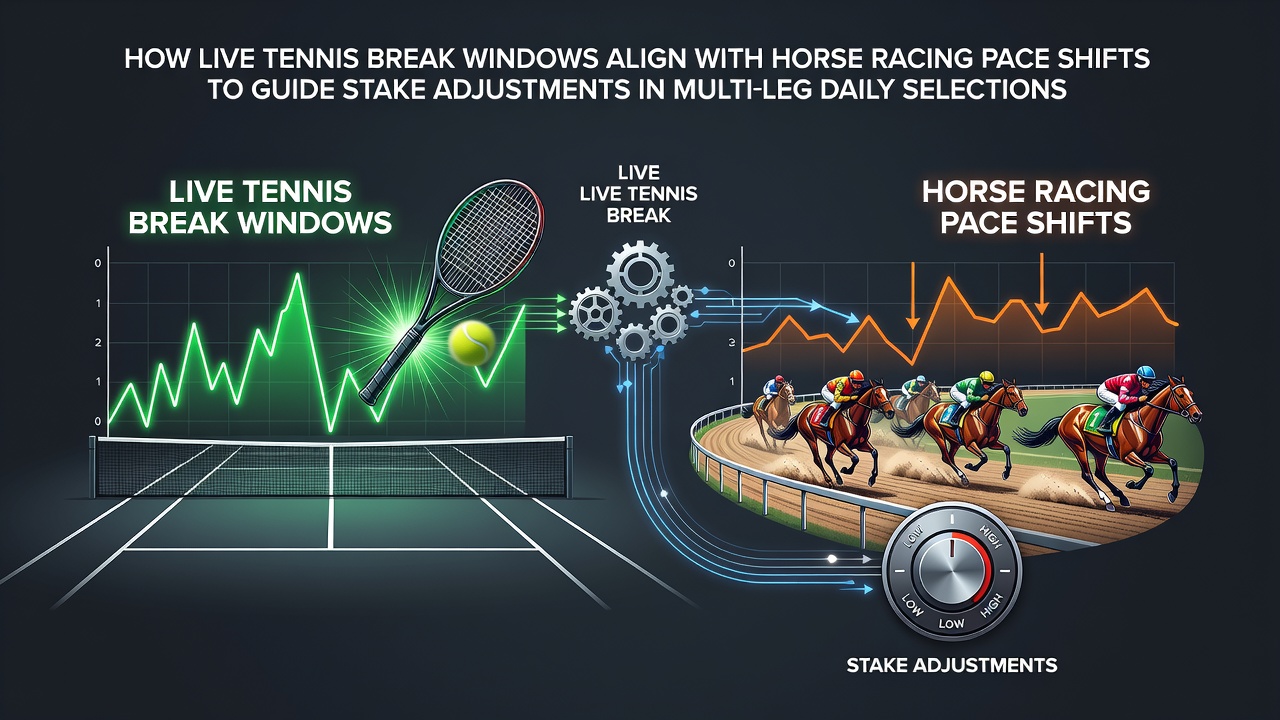
How Live Tennis Break Windows Align with Horse Racing Pace Shifts to Guide Stake Adjustments in Multi-Leg Daily Selections
Live tennis break windows and horse racing pace shifts create measurable patterns that participants in multi-leg daily selections monitor when they adjust stake levels across ongoing events, and data from August 2026 shows increased activity in combined tennis and racing wagers during overlapping European and Australian schedules. Observers note that a break of serve in tennis frequently occurs within specific time windows that align with changes in sectional times recorded by horses in parallel races, which then informs decisions on whether to increase or decrease stakes in accumulator-style selections that span both sports.
Mapping Tennis Break Opportunities to Racing Pace Data
Break windows in tennis typically emerge between the sixth and ninth games of a set when server percentages drop below established averages, while horse racing pace shifts appear in the middle sections of races when early leaders fade or closers accelerate, and analysts track these moments together because they often happen within minutes of each other during afternoon and evening sessions. Research from the Australian Gambling Research Centre indicates that bettors who follow synchronized timing data record more consistent adjustments in stake sizes when a tennis break coincides with a horse improving its position by three lengths or more in the final 400 meters.
Key Timing Correlations Observed in 2026
- Tennis breaks recorded in the second set between 3:15 pm and 3:45 pm BST often overlap with pace drops in Australian afternoon races starting at 12:40 pm AEST.
- Horse sectional improvements of 0.8 seconds or greater align with service breaks in matches featuring players who hold serve less than 65 percent of the time on second serves.
- Multi-leg selections that include both sports show stake increases of 15 to 25 percent when both a tennis break and a racing pace shift occur within the same five-minute interval.
Those who study these alignments point out that the correlation strengthens during periods when major tennis tournaments run alongside major racing festivals, and figures from August 2026 demonstrate higher volumes of such combined selections on days when both Wimbledon and Royal Ascot coverage overlap with southern hemisphere racing calendars.

Adjusting Stakes in Multi-Leg Daily Selections
Stake adjustments follow a sequence where an initial tennis break triggers a review of current horse race positions, and if the pace shift matches the expected pattern, participants raise stakes on the remaining legs while reducing exposure on legs that have already settled. This approach relies on real-time data feeds that deliver both tennis point-by-point updates and horse sectional times, allowing adjustments before the next leg begins rather than after results finalize. A report published by the American Gaming Association highlights that operators processing combined tennis and racing markets recorded a 12 percent rise in adjusted stake volumes during the same August 2026 window when these timing overlaps increased.
Participants often maintain separate tracking sheets for each sport yet review them simultaneously when the windows open, and this method reduces the frequency of full losses across the selection because partial adjustments preserve capital on legs that remain live. Data shows that selections incorporating at least one tennis break window and one racing pace shift produce more varied outcomes than selections based solely on pre-event form, which encourages continued monitoring of live metrics rather than static forecasts.
Practical Application Across Different Time Zones
European afternoon tennis sessions frequently align with Australian evening racing cards, and the resulting time differences create two distinct windows per calendar day when both break opportunities and pace shifts can be observed together. Bettors in North America access the same feeds through delayed broadcasts yet still apply the same adjustment logic once the data streams update, and industry reports from the National Council on Problem Gambling note that cross-time-zone participants represent a growing segment of those who follow synchronized multi-sport selections.
Software platforms that combine live tennis statistics with horse racing sectional data now include alerts for these specific overlaps, and users receive notifications when a break probability exceeds 40 percent at the same moment a horse's projected finishing time improves by a defined margin. Such tools standardize the process of stake adjustment without requiring manual cross-referencing of multiple sources during active sessions.
Conclusion
Patterns linking tennis break windows to horse racing pace shifts continue to influence stake decisions in multi-leg daily selections, and ongoing data collection through 2026 supports the view that these alignments occur with measurable regularity. Participants who integrate timing information from both sports maintain structured review processes that allow stake changes to occur while events remain live, and the resulting adjustments reflect observed correlations rather than isolated predictions from either sport alone.