Performance Echoes Across Tracks, Pitches, and Courts: Aligning Late Surge Data with Possession Chains and Rally Counts for Progressive Staking Plans
Written by Wendy Wagner · May 17, 2026

Performance Echoes Across Tracks, Pitches, and Courts: Aligning Late Surge Data with Possession Chains and Rally Counts for Progressive Staking Plans
Performance metrics in horse racing, football and tennis often reveal similar late-stage patterns that bettors track for staking adjustments, and analysts continue to examine how late surges align with possession chains in football alongside rally counts in tennis to refine progressive approaches across these disciplines. Data collection efforts have expanded in recent seasons, allowing observers to map momentum shifts from tracks to pitches to courts in ways that support systematic bankroll management rather than isolated wagers.
Mapping Late Surges Across Disciplines
Late surges appear in horse racing when mounts accelerate in the final furlongs, in football when teams increase high-intensity runs after the seventy-fifth minute, and in tennis when players raise first-serve percentages during deciding sets, and researchers compile these instances into unified datasets that highlight recurring timing windows. Studies from the University of Queensland's sports analytics group have documented how these surges cluster between the eighty and ninety percent mark of contest duration, giving operators and bettors shared reference points for timing stake increases.
Possession chains in football function as sequences of completed passes that build toward goal-scoring opportunities, and analysts measure chain length alongside completion rates during the closing phases of matches. When chains extend beyond eight passes in the final quarter, teams show elevated conversion rates according to figures released by the European Club Association in early 2026. These measurements intersect with rally counts in tennis, where extended exchanges above nine shots per point correlate with service-hold improvements in later sets, creating parallel indicators that staking models can incorporate simultaneously.
Integrating Rally Counts and Chain Data
Rally counts serve as direct proxies for player fatigue and tactical adjustment in tennis, and progressive staking plans adjust wager sizes upward when average rally lengths rise above established baselines during tiebreaks or final sets. Observers note that similar logic applies to football possession chains, where sustained build-up play in stoppage time signals potential goal threats that justify incremental stake growth within a session. Horse racing data complements both by tracking closing sectional times that mirror the same late acceleration themes.
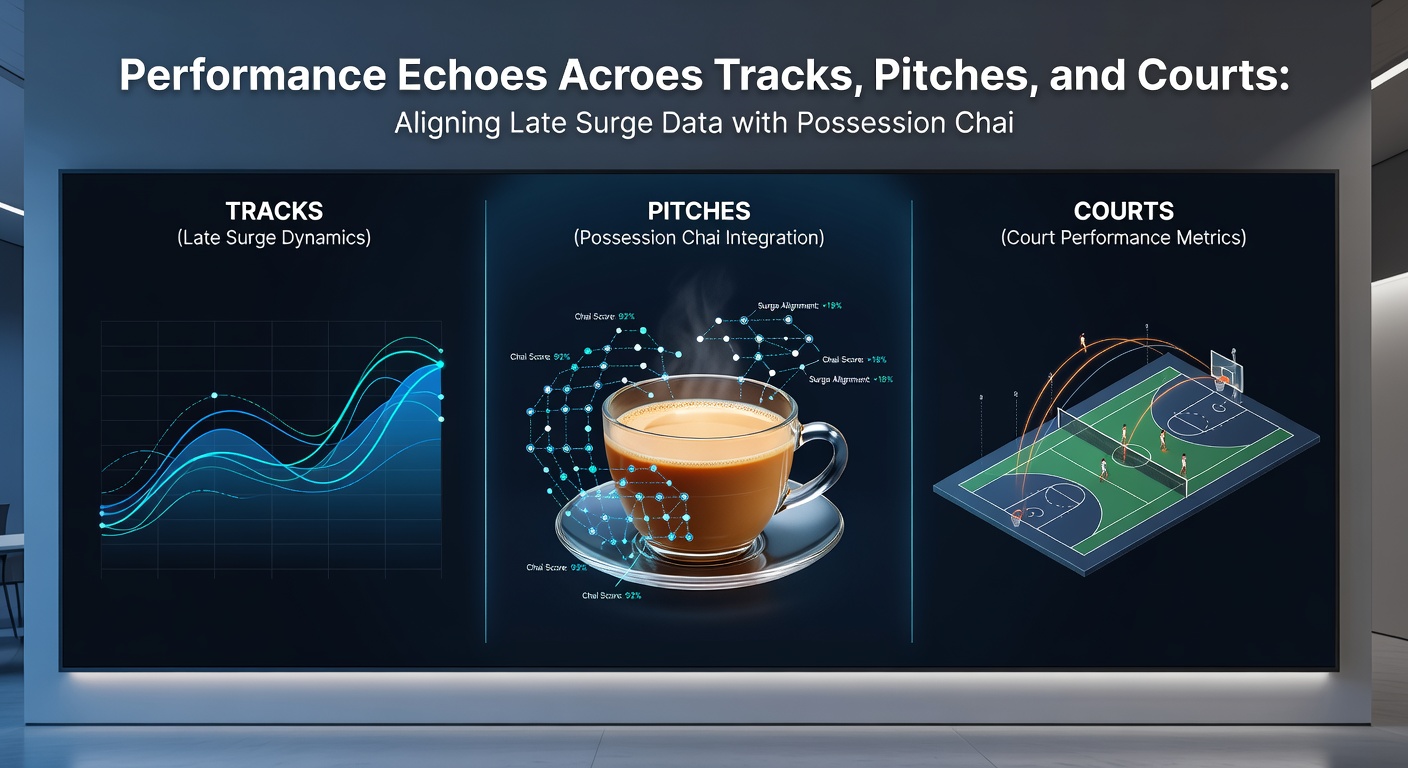
Cross-referencing these elements requires consistent data feeds, and several platforms now aggregate live metrics from multiple sports into single dashboards. Bettors apply tiered stake multipliers when two or more indicators align within the same time window, for instance combining a football possession chain exceeding ten passes with a concurrent tennis rally average above eleven shots. This alignment approach draws on datasets maintained by the International Sports Betting Integrity Association, which released comparative reports covering the 2025-2026 period that illustrate how such overlaps occur more frequently than random models predict.
Progressive Staking Frameworks in Practice
Progressive staking plans scale wager amounts according to predefined performance thresholds rather than fixed percentages, and implementers set entry points based on historical late-surge frequencies across the three sports. One documented method increases stakes by fifteen percent when football possession chains and tennis rally counts both exceed medians in overlapping windows, then resets the multiplier upon any break in the pattern. Horse racing late surges, measured through final-furlong speed ratings, provide an additional filter that further modulates the progression when data streams converge during multi-sport sessions.
Implementation relies on real-time inputs, and software tools now pull sectional data from racing authorities alongside event tracking from football leagues and point-by-point tennis statistics. During May 2026 several international tournaments coincided with major racing festivals, producing elevated volumes of aligned late-stage metrics that testers used to validate progression rules. Results from these periods show that chains and rallies tracked together produced more stable progression curves than single-sport signals alone.
Data Sources and Calibration Techniques
Calibration begins with baseline calculations derived from multi-year archives, and analysts adjust thresholds seasonally to account for rule changes or equipment updates. A report issued by Canada's Gaming Policy and Enforcement Branch in spring 2026 highlighted how operators calibrate staking algorithms using possession and rally datasets to maintain compliance margins while supporting responsible wagering features. These techniques emphasize verifiable thresholds over discretionary judgment, ensuring that stake progressions trigger only when multiple conditions register simultaneously.
Regular audits of the underlying datasets help maintain accuracy, and third-party verification services examine sample windows from tracks, pitches and courts to confirm alignment integrity. Bettors who adopt these frameworks typically log every triggered progression alongside outcome records, creating feedback loops that refine future thresholds without introducing subjective overrides.
Conclusion
Alignment of late surge data with possession chains and rally counts supplies a structured route for progressive staking across horse racing, football and tennis, and continued expansion of integrated analytics platforms supports wider adoption. Observers expect further refinement as more granular datasets become available, particularly around multi-sport calendar overlaps that generate fresh alignment opportunities each season.