Performance Pattern Tracking Combined with Market Movement Data in Layered Cross-Sport Betting Structures
Written by Quinn Hayes · Aug 14, 2026
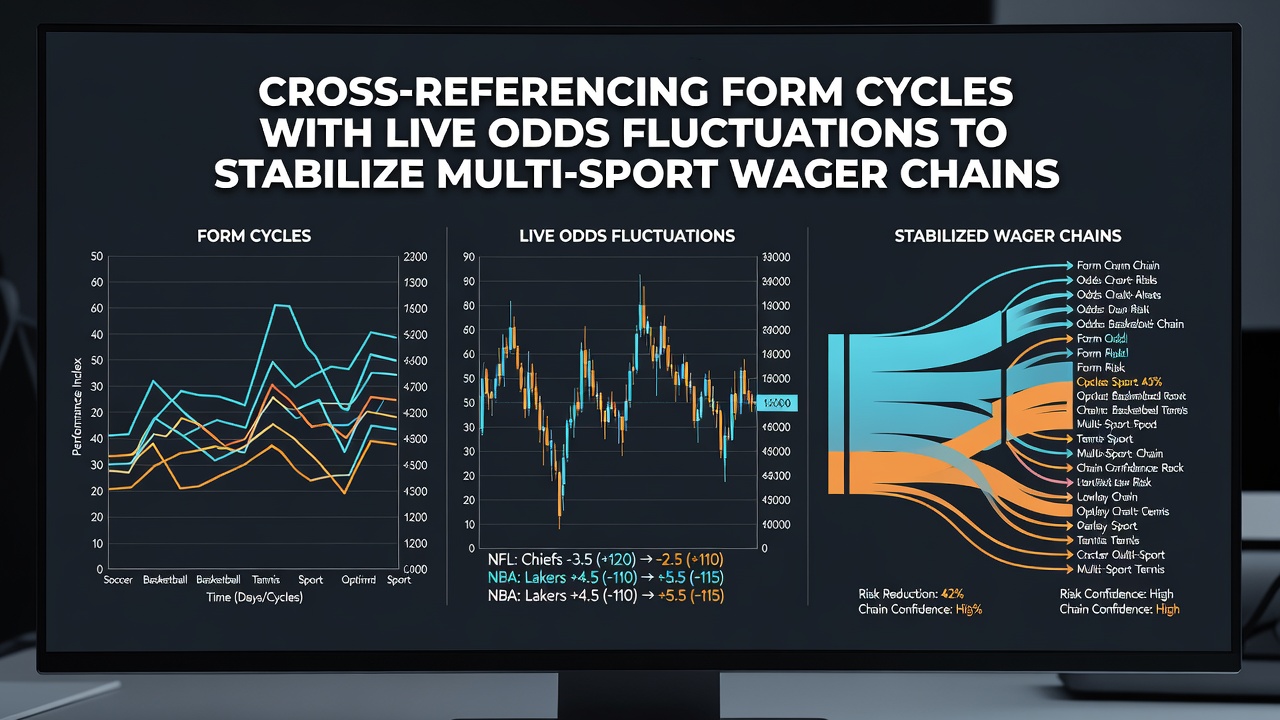
Performance Pattern Tracking Combined with Market Movement Data in Layered Cross-Sport Betting Structures
Observers in the betting industry have documented rising interest in methods that link athletic performance cycles to shifting market prices across multiple disciplines, and data from August 2026 shows continued growth in accumulator-style chains that span football, tennis and horse racing. Researchers have examined how form patterns in one sport can align with real-time price adjustments in another, creating structures that reduce variance when individual legs move unexpectedly.
Defining Form Cycles Across Disciplines
Form cycles refer to recurring sequences of results that athletes and teams display over weeks or months, and analysts compile these sequences from historical match data, training reports and competition schedules. In tennis, for instance, players often exhibit measurable drops in first-serve percentage after consecutive three-set matches, while football squads display patterns of goal scoring that rise or fall based on fixture congestion. Horse racing form follows similar logic, with trainers noting peak performance windows after rest periods or specific ground conditions. Those who study these cycles compile databases that flag when an athlete or team enters a high-output phase versus a recovery phase, and such indicators become reference points when constructing multi-leg wagers.
Live Odds Fluctuations and Market Signals
Live odds move in response to betting volume, injury updates and in-game events, and platforms record these movements at intervals as short as thirty seconds during peak periods. Price shifts can signal where sharp money has entered the market, and observers track the speed and direction of those shifts to gauge whether public sentiment aligns with underlying form data. When a football team favored at kickoff sees its price lengthen by more than 15 percent within the first ten minutes, that movement may reflect either early goals or large wagers against the favorite, and cross-checking against recent performance trends helps separate noise from meaningful information. Studies conducted by the University of Nevada Las Vegas gaming research group have quantified how rapid price changes correlate with final outcomes in selected sports, providing baseline statistics that practitioners consult when building chained positions.
Cross-Referencing Techniques in Practice
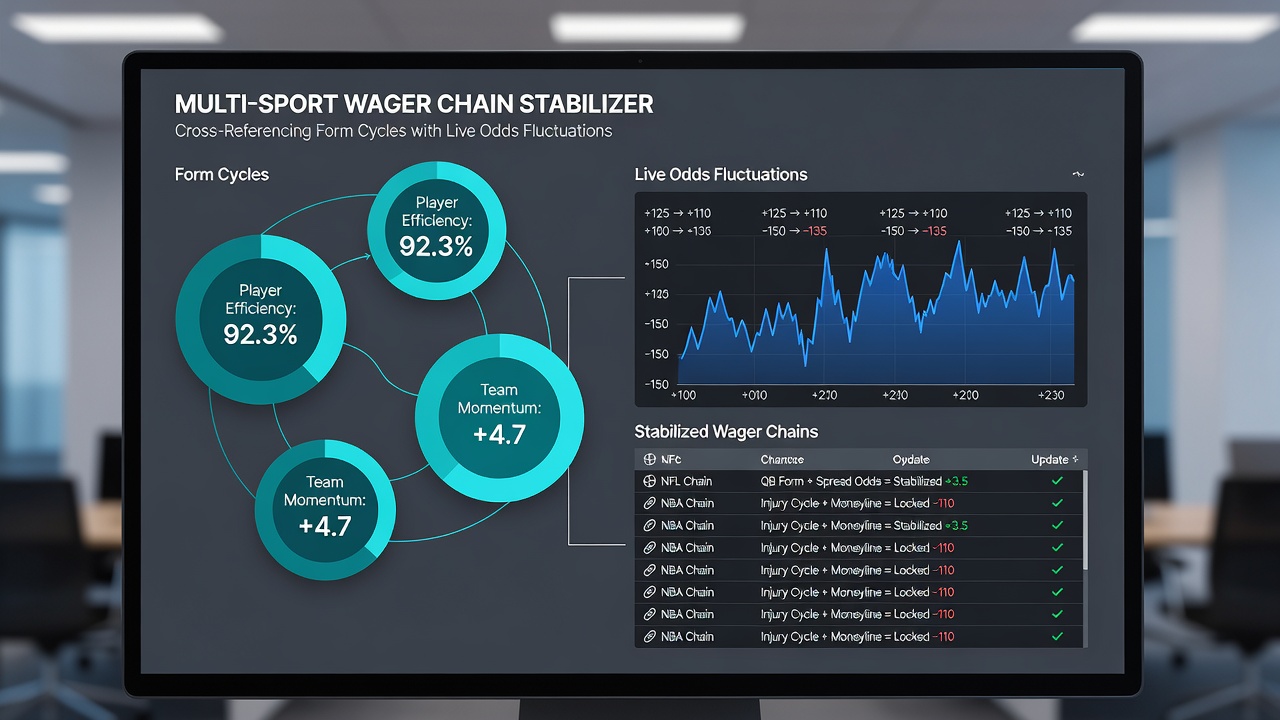
Practitioners combine form-cycle indicators with live price feeds by creating rules that trigger adjustments to stake sizes or leg selection. One documented approach involves monitoring a tennis player's service hold percentage over the prior four tournaments, then comparing that metric against any sudden shortening of odds on the opposing server during a deciding set. When form data suggests fatigue yet the market price tightens, the discrepancy prompts a reduction in exposure on that leg or a switch to an alternate event. In horse racing, post-position draw and recent workout times are aligned with in-running odds on related football matches scheduled for the same afternoon, allowing operators to hedge when one market moves against the expected form trajectory. Australian Communications and Media Authority reports from early 2026 noted increased use of such layered monitoring among professional syndicates operating across time zones.
Stabilizing Multi-Sport Wager Chains
Chains that link events from different sports face amplified risk because outcomes are independent yet capital is committed sequentially. Cross-referencing reduces that exposure by requiring confirmation from both historical form and current market behavior before adding the next leg. When a football accumulator leg shows strong recent results and odds remain stable despite heavy public backing, the chain proceeds, whereas a mismatch between form and price movement leads to pausing or resizing the remaining stake. Data indicates that syndicates employing these filters recorded lower drawdown periods during the 2025-2026 European season compared with those relying on single-sport analysis alone. The approach does not eliminate variance but distributes it across verified signals rather than isolated assumptions.
Implementation Considerations for August 2026 Markets
During August 2026, when overlapping schedules of European football qualifiers, North American tennis hard-court events and Australian winter racing created dense calendars, operators reported elevated demand for tools that merge these datasets. Software platforms now integrate API feeds from multiple exchanges alongside proprietary form databases, allowing automated alerts when a cycle threshold and a price threshold coincide. Regulatory filings from Canadian provincial gaming authorities indicate that licensed operators must maintain audit trails of such automated decision rules, ensuring transparency when chains span jurisdictions. Those who maintain these systems emphasize that the value lies in consistent application rather than selective overrides, because selective overrides reintroduce the very variance the method seeks to contain.
Conclusion
Cross-referencing form cycles with live odds fluctuations offers a structured route to managing exposure in multi-sport wager chains, and evidence from multiple regulatory and academic sources shows measurable effects on outcome distributions. Continued refinement of data integration methods through 2026 suggests the technique will remain a focus for those constructing layered positions across disciplines.