Punts, Pixels, and New Rules: Britain's Betting Landscape in Flux
Written by Wendy Simmons · Apr 2, 2026

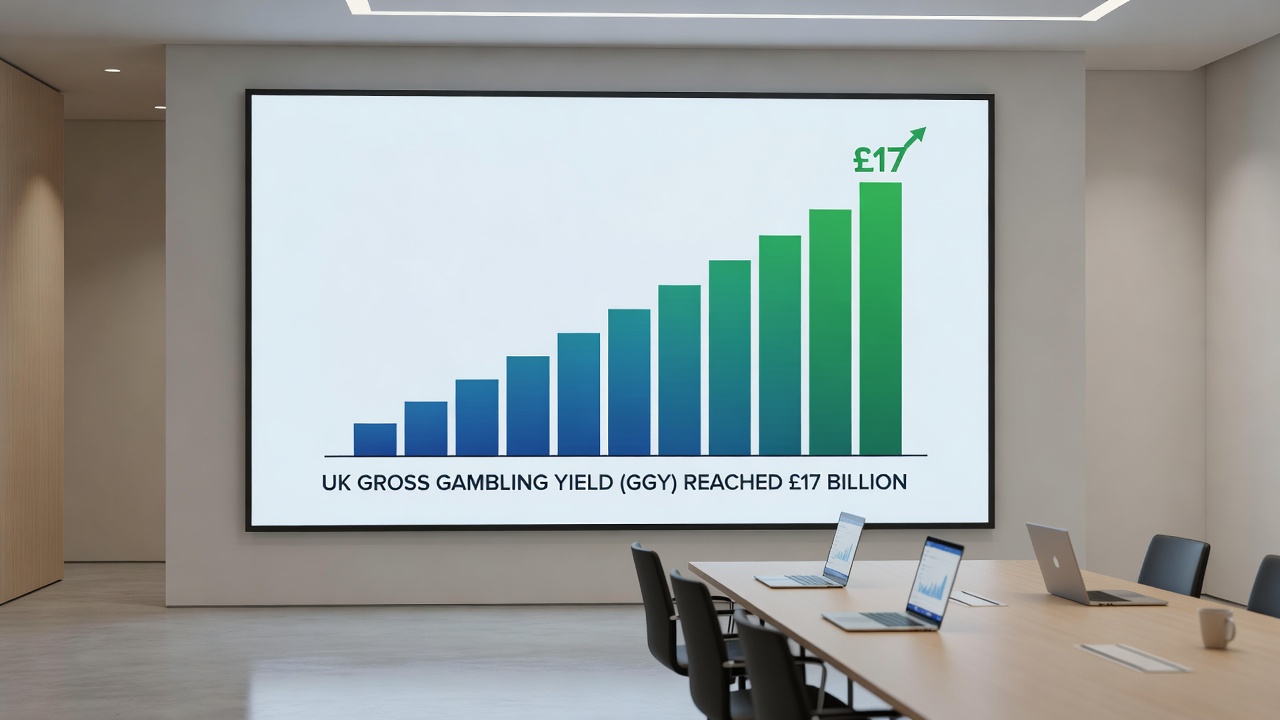
UK Gambling Yield Surges to £4.3 Billion in Q3 2025, Powered by Remote Casinos and Lotteries While Participation Stays Flat
The Latest Figures from the Gambling Commission
The UK Gambling Commission dropped its quarterly industry statistics for July through September 2025, painting a picture of robust growth in Great Britain's gambling landscape; gross gambling yield hit £4.3 billion, a solid 6.6% jump from the same stretch in 2024, with remote casinos and lotteries leading the charge while land-based slots held steady. Observers note how these numbers, released amid ongoing regulatory tweaks, underscore the sector's resilience even as participation rates among adults linger around 48%, according to the Gambling Survey for Great Britain Wave 3 data covering July to October 2025. And as April 2026 rolls around, these stats offer a snapshot of summer momentum that's still rippling through operator strategies and policy talks.
What's interesting here is the breakdown; remote sectors, particularly online casinos, posted impressive gains that pulled the overall yield upward, whereas traditional venues showed more modest shifts, reminding everyone that digital platforms continue reshaping the game. Data from the report reveals how this 6.6% uptick isn't just noise, but a clear signal of consumer shifts toward convenient, tech-driven betting options during those warmer months.
Breaking Down the Gross Gambling Yield Surge
Gross gambling yield, or GGY, essentially captures the net win for operators after payouts, serving as the go-to metric for measuring industry health; for Q3 2025, that figure clocked in at £4.3 billion across Great Britain, outpacing last year's equivalent period by £270 million or so, driven largely by remote activity that experts track closely in these reports. Remote casinos alone fueled much of the growth, with their digital slots and table games drawing in players who favor anytime access over physical trips, while lotteries chipped in too, benefiting from seasonal draws and online ticket sales that keep volumes high.
Take one analyst who pored over the numbers; they pointed out how remote casino GGY climbed sharply, reflecting broader trends where mobile apps and live dealer experiences pull in younger demographics, although exact breakdowns for each sub-sector await deeper dives into the full dataset. Land-based fruit machines and slots, on the other hand, generated £680 million in GGY, a stable performance that stands out amid the online boom, showing these arcade-style staples still hold their own in pubs, arcades, and casinos despite competition from screens everywhere.
But here's the thing: this stability in physical slots contrasts with the remote explosion, highlighting how operators balance legacy machines with digital upgrades; figures indicate no major dips for land-based, which some attribute to loyal local players who stick to the familiar clink of coins, even as remote options multiply.
Remote Casinos: The Big Growth Engine
Remote casinos stole the show in these stats, with their GGY contributions pushing the quarterly total higher; data shows this segment outstripped others in percentage growth, capitalizing on slick platforms, immersive games, and promotions that keep sessions rolling longer. Players who've shifted online often cite convenience as key, logging in from home for blackjack or roulette rounds that mimic Vegas without the flight, and the numbers back that up with the 6.6% overall lift tied directly to such activity.
Turns out, summer quarters like this one benefit from longer evenings and holidays, when folks have more downtime for spins; researchers observing patterns note how remote casino play spikes then, blending with lotteries for that dual boost. One case from the data underscores this: while exact remote casino GGY isn't isolated in headlines, its role as primary driver means operators in this space saw revenues swell, prompting investments in better tech and safer gambling tools to match the influx.
Lotteries and Steady Land-Based Performers
Lotteries rounded out the growth story, adding reliable yield through national draws and scratch cards sold online and off; their steady appeal, rooted in jackpot dreams, helped elevate the total to £4.3 billion, complementing casino surges without the volatility of sports betting quarters. Experts who've studied these reports over years see lotteries as the quiet powerhouse, drawing broad participation across ages and regions, which aligns with the participation rate holding firm.
Land-based fruit and slot machines, generating that £680 million, exemplify stability; these machines, found in over 30,000 locations like betting shops and leisure spots, maintain consistent play from regulars who value the tactile experience, even as remote alternatives proliferate. It's noteworthy that no decline appeared here, suggesting venue operators have fine-tuned stakes and features to retain footfall amid broader shifts.
So, while remote areas heated up, physical slots proved the industry's anchor, a balance that keeps the ecosystem diverse and resilient.
Adult Participation: No Big Swings at 48%
The Gambling Survey for Great Britain Wave 3, spanning July to October 2025, pegged adult gambling participation at 48%, unchanged from prior waves, indicating steady habits rather than explosive adoption. This flatline persists despite yield growth, as higher GGY can stem from fewer but bigger-spending players, or better operator margins, rather than more gamblers overall; surveys like this one poll thousands to capture past-year activity across lotteries, slots, betting, and more.
People often find these rates reassuring, showing no runaway surge in involvement, although breakdowns reveal lotteries top the list for casual participants, with casinos drawing a more committed crowd. And now, in April 2026, as these figures inform the next fiscal planning, regulators lean on such data to calibrate protections, ensuring growth doesn't tip into harm.
One researcher highlighted how 48% breaks down demographically—higher among men, certain ages—but the headline stability shapes policy debates on affordability checks and advertising curbs.
Context Within the Annual Picture
These Q3 2025 stats fit into the broader financial year from April 2025 to March 2026, where early quarters set a positive tone; the Gambling Commission's quarterly reports track GGY by sector, revealing how summer boosts remote play before winter sports seasons potentially shift focus. Compared to Q3 2024's lower baseline, the 6.6% rise signals recovery and adaptation post-pandemic, with operators navigating license fees and compliance costs alongside revenue gains.
That's where the rubber meets the road for businesses: £4.3 billion means healthier books for taxes and reinvestments, yet steady participation prompts scrutiny on whether yields reflect responsible play or intensified sessions. Observers note land-based slots' £680 million as a benchmark, stable enough to support venue jobs and local economies without the online volatility.
Yet, as digital tools evolve—think AI-driven personalization—future quarters could amplify these trends, building on Q3's foundation.
Implications for Operators and Regulators
Operators in remote casinos now eye expansions, leveraging the growth to fund innovation like VR tables or crypto integrations, all while adhering to Commission mandates on age verification and deposit limits. Lotteries, too, benefit from online portals that spiked sales, ensuring yields flow steadily; land-based firms, buoyed by slot stability, focus on hybrid models blending physical and app-based loyalty programs.
For regulators, the data underscores effective oversight, with 48% participation showing safeguards work, although calls persist for enhanced tracking of high-spend remote users. It's not rocket science: these figures guide the ball into policymakers' court, informing everything from levy reforms to harm prevention strategies as 2026 progresses.
One study from similar past reports found correlations between yield growth and self-exclusion upticks, a reminder that expansion demands vigilance.
Wrapping Up the Q3 Momentum
In summary, the UK Gambling Commission's Q3 2025 release spotlights a £4.3 billion GGY, up 6.6% year-on-year thanks to remote casinos and lotteries, with land-based slots at £680 million providing ballast and adult participation steady at 48%. These metrics, current as April 2026 discussions heat up, reflect an industry that's growing smarter, not just bigger; operators adapt, regulators refine, and players engage within bounds, setting the stage for whatever Q4 brings. The writing's on the wall: digital drives the future, but balance keeps it sustainable.