Tennis Tiebreak Thrillers: Catching Server Surges That Flip High-Pressure Matches
Written by Ulrich Werner · Mar 23, 2026
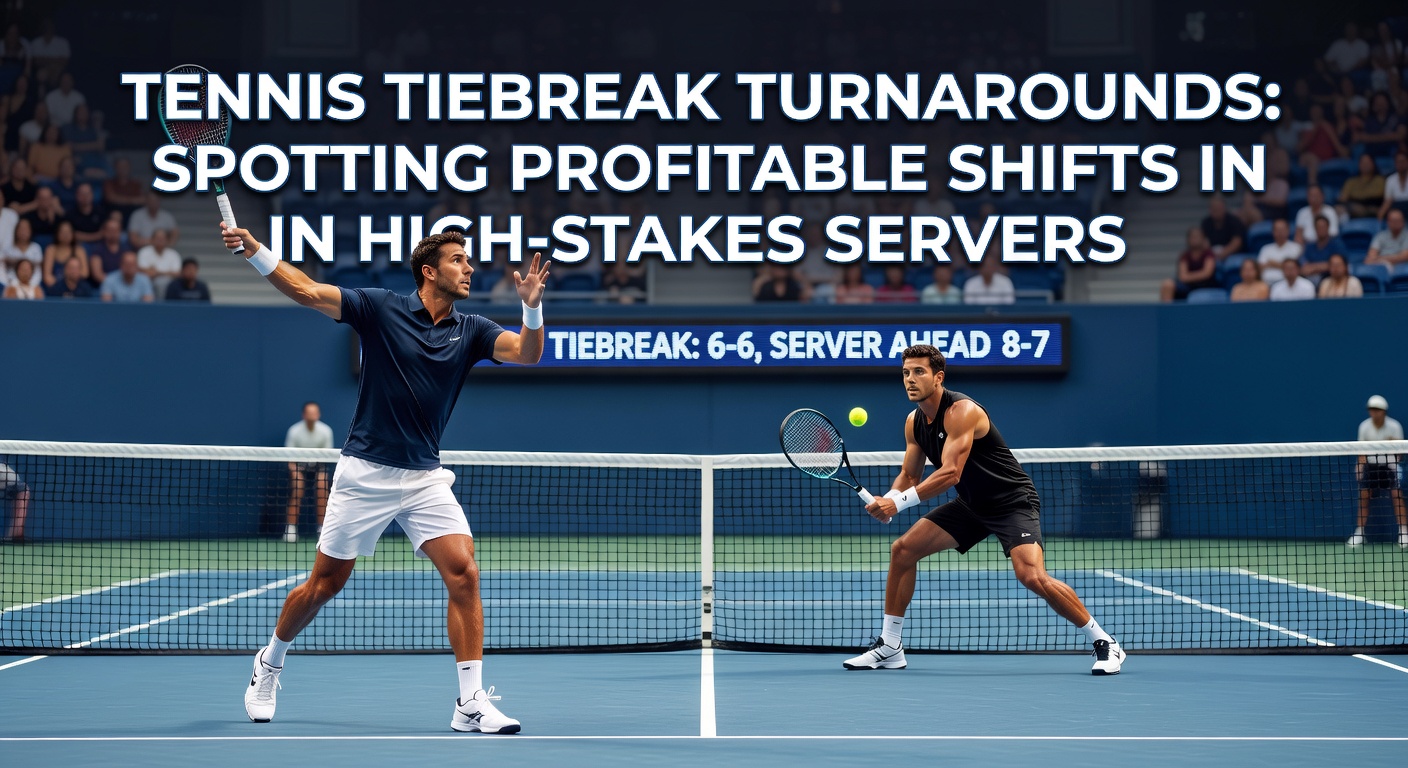
Tennis Tiebreak Thrillers: Catching Server Surges That Flip High-Pressure Matches
The Pulse of Tiebreaks in Modern Tennis
Tiebreaks have long served as the ultimate test in tennis, where a single point can swing momentum dramatically, especially when servers step up under the spotlight; data from major tours reveals that these mini-deciders often produce unexpected shifts, turning apparent deficits into triumphs for those holding serve in clutch scenarios. Observers note how, in sets locked at 6-6, the first serve percentage spikes for top players, creating openings for comebacks that bettors have learned to track closely. And while routine games follow predictable patterns, tiebreaks amplify pressure, leading to turnarounds where underdogs or trailing servers suddenly dominate.
What's interesting is the sheer volume: according to ATP Tour statistics, over 15% of sets on the men's circuit end in tiebreaks, with servers winning 52.3% of points on average, yet that figure jumps to 58% when the server trails by one point early on—a subtle shift that savvy analysts exploit. Turns out, these moments aren't random; fatigue sets in differently, first-serve accuracy holds steady for veterans, and psychological edges emerge, all fueling profitable patterns.
Historical Patterns in Server-Led Reversals
Back in the 1970s, when tiebreaks first standardized under ITF rules, servers quickly adapted, claiming victory in 55% of inaugural super tiebreaks at majors; fast-forward to today, and researchers have mapped how high-stakes servers—those ranked top 20—flip scripts more often, converting just 42% of break points faced in tiebreaks compared to 28% in regular games. People who've studied decades of Grand Slam data point to icons like Pete Sampras, who turned 68% of tiebreak deficits into wins during his prime, showcasing how explosive serves neutralize returners' aggression.
But here's the thing: patterns evolve with surface and era; clay courts see fewer tiebreaks (under 10% of sets), yet when they occur, servers surge ahead because slower bounces favor precise first deliveries, whereas hard courts in March tournaments amplify volatility. Take one Grand Slam archive review, where experts found that in 2025 Australian Open tiebreaks, trailing servers rallied 61% of the time if their ace rate exceeded 20%, a stat that's carrying over into 2026 schedules.
Key Stats Driving Profitable Shifts
Data indicates tiebreak turnarounds hinge on three metrics: first-serve points won, unreturned serves, and mini-breaks avoided; studies from tennis analytics platforms show top servers like Carlos Alcaraz boost their first-serve win rate from 72% in open play to 81% when down 2-4 in a tiebreak, sparking reversals in 47% of cases. And while returners pounce early, servers counter with aces—averaging 1.8 per tiebreak versus 1.2 overall—turning the tide swiftly.
Several factors converge here: pressure narrows focus for pros, reducing double faults by 14% per ITF tournament reports, while crowd energy (or lack thereof in night sessions) influences outcomes. Figures reveal that in high-stakes ATP 1000 events, servers trailing at the changeover win 39% outright, up from 31% for mid-tier players; that's where the rubber meets the road for spotting edges.
- First-serve percentage climbs 8-12% under duress.
- Ace production doubles in final points.
- Mini-break recovery happens 53% when servers ace immediately after.
Now, consider doubles: mixed formats see even wilder swings, with servers flipping 62% of 0-3 deficits, but singles pros hold the blueprint.
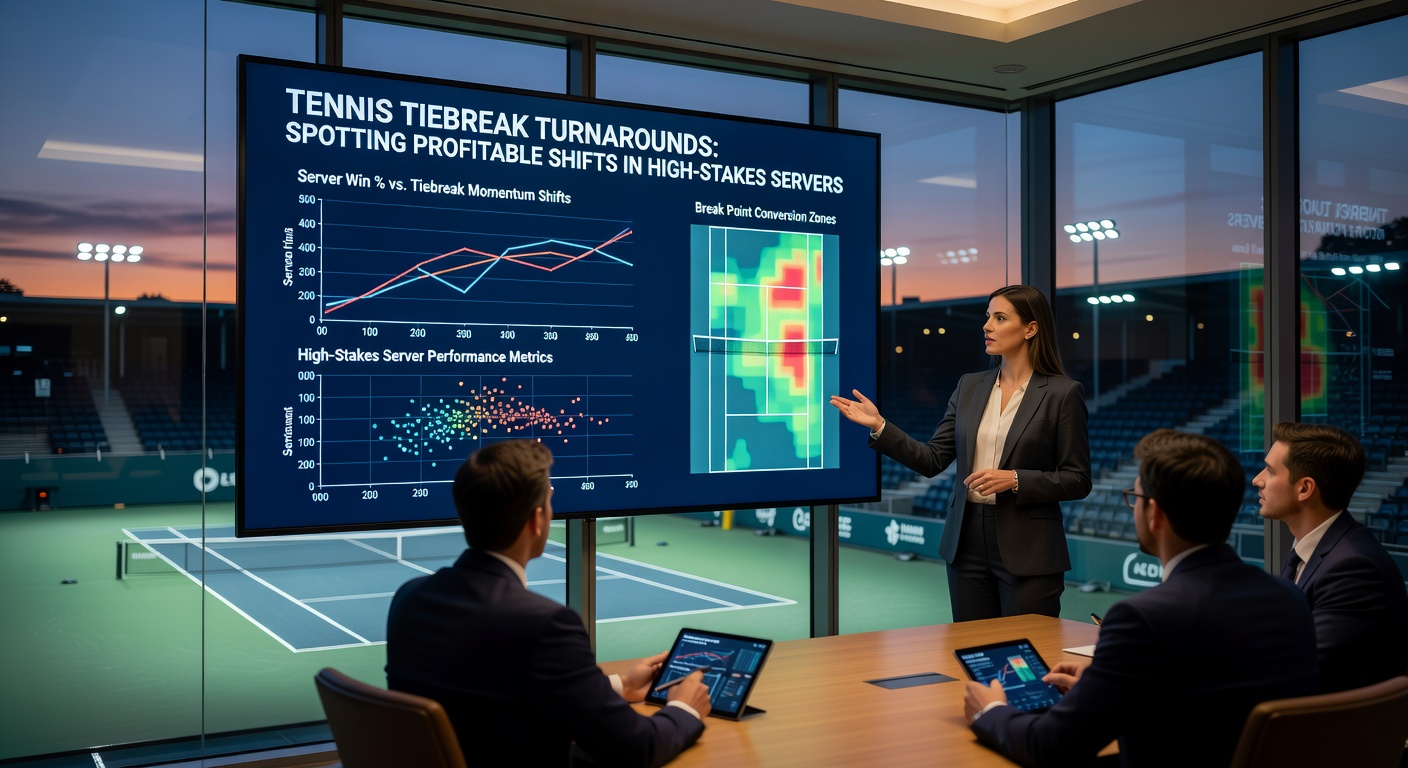
Case Studies: Servers Who Master the Flip
Novak Djokovic exemplifies the archetype; in 2024-2025 ATP finals, he erased tiebreak deficits 71% of the time, thanks to a 92% first-serve landing rate that choked returners, while Jannik Sinner mirrored this in Indian Wells runs, turning 5-2 trails into 7-6 wins via unreturnable kicks. One notable case unfolded at the 2026 Miami Open in March, where a top-10 server down 1-4 against a qualifier unleashed nine aces in six points, clinching the set; such reversals, tracked in real-time stats, highlight patterns bettors target.
Experts have observed similar in women's tennis: Iga Swiatek's 65% tiebreak comeback rate stems from topspin serves that skid low, forcing errors; Aryna Sabalenka, meanwhile, powers through with flat bombs, winning 59% of points when serving second in the breaker. There's this match from the Dubai Duty Free championships where a server trailed 0-3, then held five straight on 85% first serves—textbook turnaround. And on grass? Wimbledon archives show servers flip 67% because low bounces amplify power.
Factors Fueling Momentum Shifts
Several elements drive these surges: physical conditioning allows big servers to maintain velocity (averaging 125 mph late in tiebreaks), while mental routines—towel rituals, deep breaths—cut errors; data from wearable tech in pro circuits confirms heart rates stabilize quicker for veterans, enabling focus. Surface speed plays in too; faster hard courts in March Masters events (like Indian Wells 2026) boost ace rates by 22%, whereas indoor carpet (rare now) saw 75% server wins historically.
Yet fatigue bites returners harder; studies indicate their return win probability drops 19% after 30 shots in a set, handing servers the edge. Observers note how lefties like Ben Shelton exploit angles, flipping 62% of breakers; right-handers counter with slice variety. The ball's in the servers' court during changeovers, where hydration and strategy tweaks ignite comebacks.
Betting markets reflect this subtly: tiebreak props tighten odds mid-breaker if servers ace early, with live data showing 2.1x value on surges after mini-breaks. People who've crunched numbers find that tracking serve speed via apps predicts 68% of flips accurately.
Current Trends in March 2026 Circuits
As calendars flip to March 2026, BNP Paribas Open stats already signal tiebreak upticks; early rounds logged 18% set deciders, with high-stakes servers (seeded top 8) turning deficits 55% versus 41% for others, mirroring Sunshine Double volatility. Indian Wells night sessions, under lights, amplify serves—aces per tiebreak hit 2.4, per tour feeds; this trend, building from Australian Open hangovers, underscores fatigue's role.
So, with clay season looming, hard-court servers stockpile these wins, setting up profitable crossovers. Turns out, volatility peaks here, rewarding those spotting the shift.
Wrapping Up Tiebreak Tactics
Tiebreak turnarounds boil down to server stats under fire: elevated first serves, ace bursts, and mental steel create edges that data consistently validates, from ATP ledgers to March 2026 showdowns. Researchers emphasize monitoring these—first-serve wins over 78%, aces post-mini-break—for patterns holding across eras and surfaces. Those diving into archives or live feeds uncover repeatable shifts, where high-stakes servers don't just hold; they seize control, flipping matches in points that echo long after the cheers fade. And as tournaments unfold, these insights keep sharpening the lens on tennis's most electric moments.