Third Annual Gambling Survey for Great Britain Highlights Stable Participation and Attitudes
Written by Eden Zimmermann · Jul 17, 2026

Third Annual Gambling Survey for Great Britain Highlights Stable Participation and Attitudes
The UK Gambling Commission has published the third annual report from the Gambling Survey for Great Britain, delivering official statistics on participation, behaviours, attitudes and consequences across the period from 2023 to 2025. This release presents data gathered from one of the world's largest dedicated gambling studies, drawing on roughly 20,000 respondents each year, and it supports detailed trend analysis that researchers and policymakers can use to track developments over time. Participation rates appear consistent with earlier findings. According to the report, 47 percent of adults aged 18 and over took part in gambling during the past four weeks in 2025, a figure that remains steady compared with previous waves. The survey measures a wide range of activities, from lottery draws and sports betting to casino games and online slots, yet the headline participation number shows little movement across the three-year window.Problem Gambling Prevalence Remains Consistent
Prevalence of problem gambling, defined by a Problem Gambling Severity Index score of 8 or higher, stands at 2.4 percent. This rate has held steady since the survey began, giving observers a clear benchmark for monitoring changes in harm levels. The data also captures moderate risk gambling and low-risk gambling categories, allowing analysts to examine the full spectrum of gambling behaviours rather than focusing solely on the most severe cases.
Most people who gamble report positive or neutral feelings about their activity. The survey records these attitudes through direct questioning, revealing that the majority experience enjoyment or indifference rather than regret or distress. Such findings sit alongside the prevalence statistics and help build a fuller picture of how gambling fits into daily life for millions of adults.
Survey Scale Supports Robust Trend Analysis
The Gambling Survey for Great Britain stands out because of its size and consistency. With approximately 20,000 annual respondents, the study generates sample sizes large enough to detect subtle shifts across demographic groups and gambling types. Researchers can therefore compare 2023, 2024 and 2025 results with confidence, identifying which patterns remain stable and which show movement.
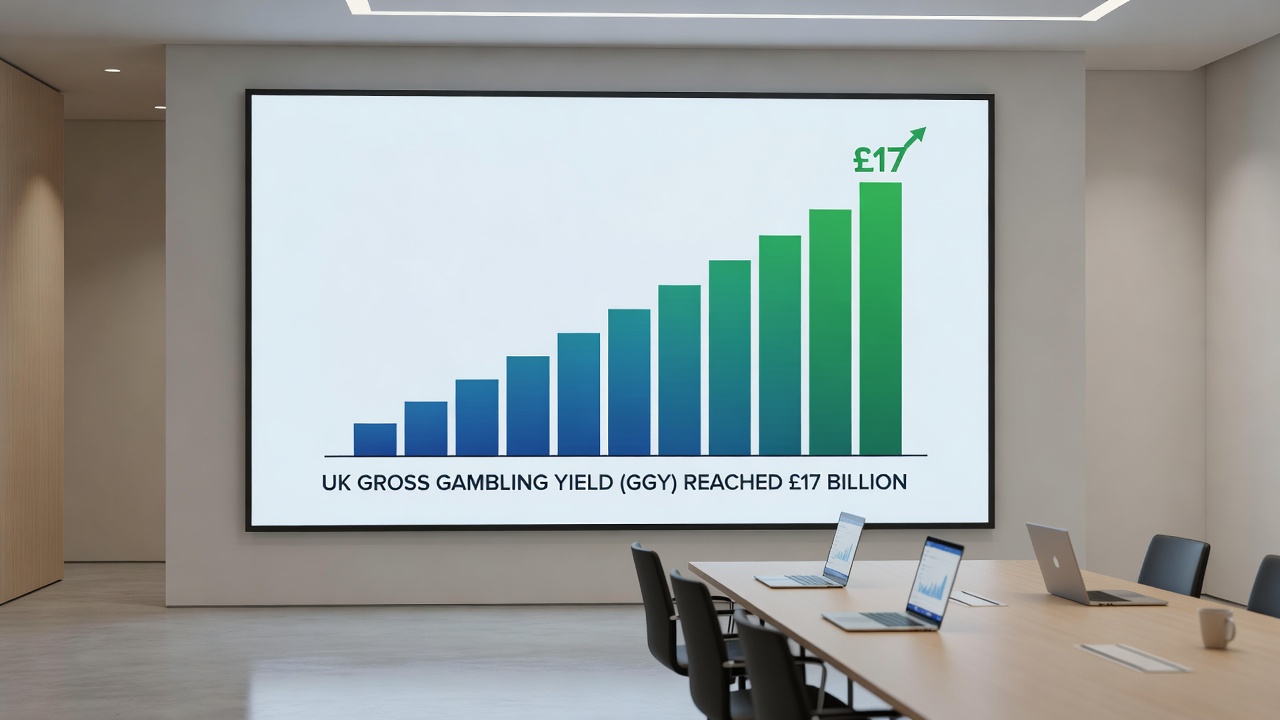
Official statistics from the Gambling Survey for Great Britain (GSGB) Annual Report 2025 cover both online and offline channels. The methodology includes probability sampling and weighting procedures that align results with the broader adult population in Great Britain. This approach reduces bias and strengthens the reliability of year-on-year comparisons.
Attitudes and Reported Consequences
Beyond participation numbers, the report examines how gamblers describe their experiences. The majority indicate neutral or positive sentiment, yet the survey also records instances of negative consequences such as financial strain or relationship difficulties. These data points allow analysts to connect attitude responses with severity index scores and build a more nuanced understanding of outcomes.
The release of the third annual report arrives at a moment when regulators and treatment providers continue to refine strategies based on population-level evidence. Because the survey runs annually, stakeholders gain access to fresh figures each year that can inform resource allocation and intervention design without waiting for multi-year cycles.
Looking Ahead to Continued Monitoring
Future waves of the Gambling Survey for Great Britain will extend the existing time series. Observers note that maintaining consistent methodology across additional years will strengthen the dataset further and allow even more precise identification of emerging trends. The current report already demonstrates the value of repeated measurement by confirming stability in headline participation and problem gambling rates.
Conclusion
The third annual GSGB report supplies a clear snapshot of gambling in Great Britain between 2023 and 2025. Stable participation at 47 percent, a problem gambling rate of 2.4 percent, and predominantly positive or neutral attitudes among gamblers represent the core findings. With its large respondent base and annual cadence, the survey continues to serve as a primary source of official statistics for those tracking gambling behaviours and their consequences across the population.