UK Betting Landscape: Fresh Trends Reshaping the Game
Written by Eden Zimmermann · Apr 10, 2026

UK Gambling Commission Drops Q2 Stats: Non-Remote Betting Shops Power £592m GGY While Remote Sectors Hit £2bn Milestone
The Latest from the Gambling Commission
Now that April 2026 has rolled around, the UK Gambling Commission has put out its official quarterly industry statistics for Quarter 2—covering July through September 2025 in the financial year from April 2025 to March 2026—and those figures paint a clear picture of a sector humming along with solid contributions from both physical betting shops and online platforms. Data reveals key developments across the British gambling landscape, particularly in betting, where non-remote operations generated £592 million in Gross Gambling Yield (GGY), a figure that accounts for 48.2% of the total non-remote GGY; meanwhile, 5,782 betting shops kept things ticking over in Great Britain. And that's not all, because the remote casino, betting, and bingo sector—known as RCBB—clocked in at a hefty £2.0 billion total GGY, with remote betting and casino games driving much of that momentum alongside a standout £1.4 billion from those two categories alone, representing 69.9% of the entire RCBB pot.
What's interesting here is how these numbers capture the dual engines of the industry, one rooted in high-street familiarity and the other in digital accessibility, both feeding into a broader ecosystem that observers track closely quarter by quarter. Figures like these, released right on schedule, give stakeholders—from operators to regulators—a snapshot of where the money flows and why certain segments punch above their weight.
Non-Remote Betting: Shops Holding Steady at the Core
Non-remote betting stands out in the report because it pulled in that £592 million GGY, securing its position as 48.2% of all non-remote activity, and with 5,782 betting shops spread across Great Britain, the infrastructure remains robust despite shifts toward online wagering. Experts point out that this GGY—essentially the net win for operators after payouts—reflects steady foot traffic and traditional punter habits, especially around sports like horse racing and football where in-person bets still thrive; take one typical Saturday in Q2, and those shops likely buzzed with activity as matches unfolded, contributing to the overall yield without the volatility of remote spikes.
But here's the thing: while the shop count holds firm at 5,782, data indicates no dramatic closures or openings in this period, suggesting stability in a landscape where high streets adapt to changing consumer patterns, yet betting's slice of non-remote GGY at 48.2% underscores its dominance over other land-based formats like casinos or arcades. Researchers who've dissected past quarters note that such consistency helps anchor the sector, providing a reliable baseline even as remote options grow; and since GGY measures stakes minus winnings, that £592 million signals healthy margins for operators who manage overheads like rent and staffing in those physical locations.
- GGY from non-remote betting: £592 million
- Share of total non-remote GGY: 48.2%
- Number of betting shops in Great Britain: 5,782
Those who've studied the numbers closely observe how this segment weathers economic pressures, maintaining its yield through loyal customers who value the social vibe of a bet slip handed over the counter, and that's where the rubber meets the road for traditionalists in the industry.
Remote RCBB Sector: £2 Billion Total with Betting and Casino Leading the Charge
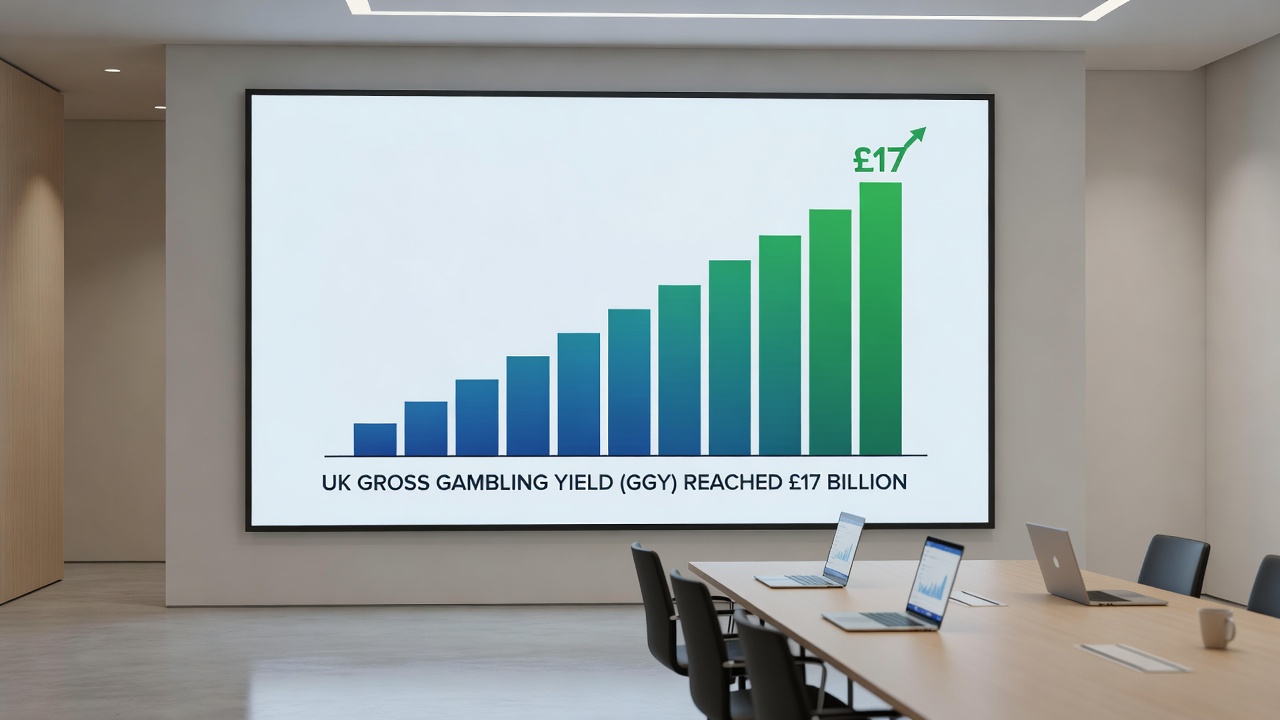
Shifting gears to the digital side, the remote casino, betting, and bingo sector racked up £2.0 billion in GGY for Q2, a total that dwarfs non-remote figures and highlights how online platforms capture volume through convenience and 24/7 access; within that, remote betting alongside remote casino delivered £1.4 billion, grabbing 69.9% of the RCBB pie, which turns out to be the real story for those tracking growth trajectories. Data shows remote betting contributing significantly—though exact splits aren't broken out further here—while casino games add their share of high-margin spins and tables, pulling in punters who might never set foot in a shop.
Turns out this £1.4 billion dominance makes sense when you consider the seamless integration of apps and sites that let users bet on live events from anywhere, fueling yields through higher frequencies and broader reach; observers note that bingo, while part of RCBB, takes a back seat at around 30.1% implied share, yet it still bolsters the overall £2.0 billion. And since these remote ops face fewer physical constraints, operators scale efficiently, turning data analytics into edges that boost GGY without the fixed costs of bricks-and-mortar setups.
One case that experts reference involves peak summer events in Q2—like major football leagues winding down or tennis tournaments heating up—where remote betting surges as users wager in real-time, directly inflating that significant contribution to the £1.4 billion; it's noteworthy that this remote-heavy model now overshadows non-remote totals, signaling a pivot that's been building for years, although land-based betting shops persist with their £592 million haul.
Bridging Non-Remote and Remote: Patterns Emerging in Q2 Data
Putting it all together, the report's figures reveal a British gambling sector where non-remote betting's £592 million and 48.2% share coexist with RCBB's £2.0 billion powerhouse, driven by that £1.4 billion from betting and casino at 69.9%, and with 5,782 shops underscoring the hybrid reality; data indicates no slowdown in either realm, as summer quarters often see upticks from sports calendars that span both worlds. People who've pored over these stats often discover how GGY across segments reflects broader participation, where remote growth doesn't erase shop relevance but complements it, especially for demographics split between digital natives and traditional bettors.
So, while RCBB claims the lion's share of overall yield—far outpacing non-remote—betting threads through both, with non-remote at 48.2% internally dominant and remote betting a key pillar in the £1.4 billion duo; that's the ball in their court for analysts forecasting FY 2025-26, as Q2 sets a benchmark amid regulatory eyes on sustainability. Yet, here's where it gets interesting: the sheer scale of remote £2.0 billion versus non-remote betting's steady £592 million highlights efficiency gains online, although shop counts at 5,782 prove physical presence endures, particularly for community-rooted wagering.
Figures from the quarterly report also flag how these yields fund levies and research, with implications rippling into April 2026 discussions on sector health; experts observe that such transparency helps operators benchmark against peers, spotting where remote casino's pull within RCBB amplifies betting's remote strength.
Deeper Dive: What GGY Tells Us About Operator Performance
Gross Gambling Yield, at its core, captures the difference between stakes placed and payouts issued, so that £592 million from non-remote betting translates to operators' revenue after player wins, sustained by 5,782 locations that handle everything from fixed-odds machines to over-the-counter slips; similarly, RCBB's £2.0 billion—fueled by £1.4 billion in betting and casino at 69.9%—shows remote platforms excelling in volume, where algorithms and promotions drive engagement without geographic limits.
Those who track these metrics know that Q2's summer window amplifies betting activity, be it non-remote shops filling for Premier League finales or remote sites lighting up with in-play options, leading to the reported yields; and although bingo rounds out RCBB, its lesser share lets betting and casino shine, making 69.9% a notable concentration. Now, with data in hand as of April 2026, stakeholders weigh how 48.2% non-remote betting dominance holds firm, a testament to resilience amid digital tides.
- Total RCBB GGY: £2.0 billion
- Remote betting + casino GGY: £1.4 billion (69.9% of RCBB)
- Implied other RCBB (bingo, etc.): £0.6 billion (30.1%)
Conclusion
In wrapping up the UK Gambling Commission's Q2 stats for July to September 2025, the numbers tell a story of balance and momentum: £592 million GGY from non-remote betting at 48.2% of its category, backed by 5,782 shops, meets the remote RCBB's £2.0 billion total where betting and casino command £1.4 billion or 69.9%, painting a sector that's diverse yet betting-centric across channels. Data like this, fresh in April 2026, equips the industry to navigate ahead, with observers watching how these foundations shape the full financial year; turns out, the writing's on the wall for continued hybrid vigor, as yields reflect punter preferences in a regulated landscape that's all about measured growth.