Wagering Winds of Change: Fresh Insights into Britain's Gambling Sector Evolution
Written by Wendy Wagner · Jul 7, 2026

UK Gambling Commission Licence Fees Rise 25 Percent from October 2026
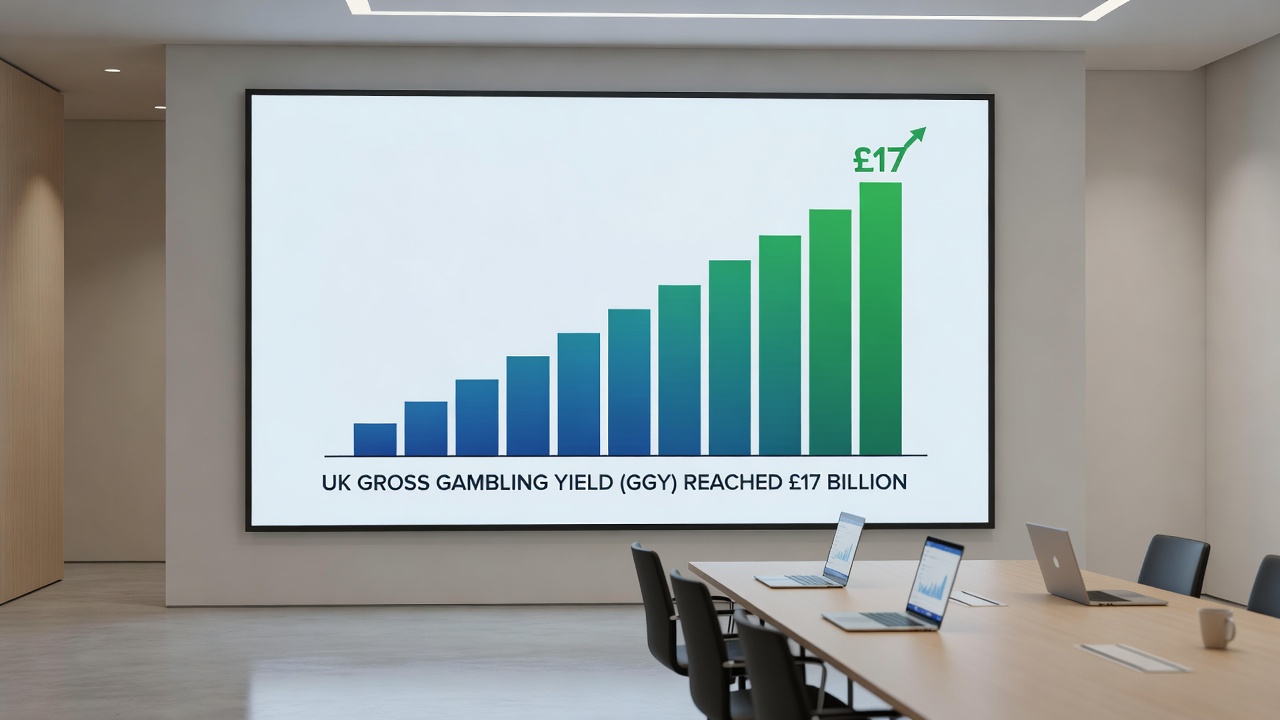
The UK government has confirmed a 25 percent increase across most Gambling Commission licence fees, and this adjustment takes effect on 1 October 2026 after the Department for Culture, Media and Sport completed its consultation process. Operating licences, personal licences, supplementary licences, single-machine permits and certain application categories all fall under the revised structure, while society lottery fees stay frozen at current levels. General betting operating licences move to a gross gambling yield-based calculation model, and the revenue supports the regulator’s operations including enforcement work against unlicensed operators alongside existing tax duties and the statutory levy.Breakdown of Affected Licence Categories
Most licence types see the uniform 25 percent uplift applied to their base fees, yet the shift for general betting operating licences replaces flat rates with calculations tied directly to gross gambling yield. This model links payments to actual operator performance rather than fixed sums, and it aligns fee collection more closely with business scale. Personal licences for key individuals and supplementary permissions for additional activities follow the same percentage rise, as do single-machine permits that cover limited equipment deployments. Application fees for new approvals or variations also increase by the same margin, which means operators planning expansions after the implementation date encounter higher upfront costs.
Exceptions That Remain Unchanged
Society lottery fees escape the increase entirely and continue under existing rates, which preserves the cost structure for those specific operators. This distinction reflects the consultation outcomes where certain charitable and community-focused activities received different treatment from commercial betting sectors. Observers note that the freeze avoids additional pressure on lotteries that already direct significant portions of proceeds toward good causes, and it maintains a separate pathway within the overall fee framework.
Purpose Behind the Fee Revision
 The additional revenue funds the Gambling Commission’s regulatory activities, and this includes expanded efforts to tackle the illegal market that operates outside licensed channels. Officials have outlined that stronger enforcement resources help maintain compliance standards across the sector while protecting consumers from unregulated offerings. The fee changes operate in tandem with existing operator duties and the statutory levy, so the overall financial obligations on licence holders combine multiple streams rather than replacing any single one. Data from the consultation process shows the adjustments aim to ensure the regulator keeps pace with market growth and evolving compliance demands through 2026 and beyond.
Implementation Timeline and Preparation Steps
Operators receive advance notice of the October 2026 start date, which allows time for budgeting adjustments and system updates ahead of the changeover. The government published the final confirmation following the DCMS consultation, and this step provides clarity on exact fee schedules for each category. Those managing general betting licences face the additional task of transitioning their payment calculations to the new gross gambling yield basis, which requires accurate yield reporting mechanisms. July 2026 marks a key checkpoint when many firms begin final reviews of their licence portfolios in preparation for the October deadline, and this period gives the Commission scope to issue guidance on the updated processes.
Impact on Different Operator Types
Larger operators with substantial gross gambling yield figures encounter proportionally higher fees under the new model for general betting licences, whereas smaller entities may see more modest shifts depending on their activity levels. The percentage increase applies uniformly to most other categories, which creates a predictable adjustment that businesses can factor into long-term planning. Personal licence holders and those requiring supplementary permissions experience the straightforward 25 percent rise, and single-machine permit costs follow the same pattern. This structure keeps the changes straightforward for the majority of licence types while introducing a performance-linked element only for the general betting sector.
Regulatory Funding Context
The revised fees contribute to the Gambling Commission’s budget without altering the separate statutory levy or existing tax arrangements that operators already meet. According to the consultation documentation, the package supports ongoing oversight functions and targeted enforcement priorities. The approach maintains a layered funding system where licence fees address direct regulatory costs, and this setup allows the Commission to allocate resources across licensing, compliance monitoring and illegal market disruption efforts.
Conclusion
The confirmed 25 percent rise in most Gambling Commission licence fees, effective 1 October 2026, establishes a clearer financial framework for the coming years while preserving frozen rates for society lotteries. The introduction of a gross gambling yield model for general betting operating licences marks a notable shift in how fees scale with operator performance, and the overall package directs resources toward sustained regulatory and enforcement work. Operators now have the timeline and category details needed to prepare systems and budgets ahead of implementation.